How International Students Make Friends in Barcelona | Blau

How International Students Make Friends in Barcelona | Blau

Barcelona Student Life

How International Students Make Friends in Barcelona

One of the biggest concerns for international students moving to Barcelona is not the language, the cost of living or the university itself — it is whether they will feel lonely. Making friends in a new city, especially alone and in a foreign country, is harder than most students expect before they arrive.

The good news is that Barcelona attracts thousands of international students every year, and many of them are looking for exactly the same thing: connection, community and a sense of belonging while living abroad. How quickly and easily that happens often depends less on personality — and more on environment.

Why Making Friends Abroad Is Harder Than It Looks

Before moving to Barcelona, many students imagine a social life that builds itself naturally. In reality, the first weeks abroad can feel isolating — especially for students who arrive alone, don't speak Spanish and are navigating an unfamiliar city for the first time.

University classes help, but they don't always lead to meaningful friendships. Many students attend lectures, return to their apartment and realize they have spent the entire day without a real conversation. In contrast, students who live in environments designed for social connection often find that friendships form much more organically and quickly.

Read more about why international students feel lonely after moving abroad.


How International Students Make Friends in Barcelona

There is no single formula, but there are environments and habits that consistently make it easier for international students to build social connections in Barcelona.

Living in a Community Environment

Housing is one of the most underestimated factors in social life abroad. Students who live in shared environments with common areas, organized events and an active international community tend to make friends significantly faster than those living alone or in isolated apartments.

Casual daily interactions — in a kitchen, a common room or a building lobby — often lead to the kinds of friendships that take months to form in other settings. In contrast, students living in private apartments with little shared space sometimes go weeks without meaningful social contact outside of class.

Compare student residences and shared apartments in Barcelona.

Choosing the Right Neighborhood

Neighborhood choice also plays a bigger role than many students expect. Areas like Poblenou attract a high concentration of international students, remote workers and creative professionals — which means the social environment extends beyond university walls. Cafés, coworking spaces and outdoor areas become places where connections happen naturally.

Learn why so many international students choose Poblenou in Barcelona.

University Events and Erasmus Networks

Most Barcelona universities — including UPF, ESADE and others — organize welcome events, orientation weeks and student association activities specifically designed for international students. Attending these early on, even when it feels uncomfortable, significantly increases the chances of forming lasting friendships.

Erasmus Student Network (ESN) Barcelona also runs regular social events, trips and activities that bring together international students from across the city.

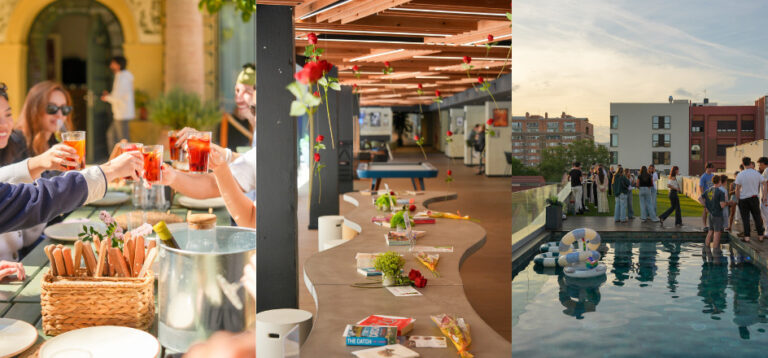
Blau also organizes its own community events throughout the academic year — from welcome dinners to rooftop gatherings and city outings. You can see what's coming up on the Blau events calendar.

Language Exchange and Local Meetups

Barcelona has a strong culture of language exchange — events where Spanish and Catalan speakers meet international students to practice English and other languages. These gatherings are relaxed, low-pressure and a genuinely effective way to meet both locals and other internationals. Many students find their closest friends through these informal settings rather than through university alone.

Saying Yes More Often

One pattern that almost every student who builds a strong social life in Barcelona shares is a willingness to say yes to invitations early on — even when tired, even when uncertain. The first month is the most important. Social circles form quickly, and students who are present in those early weeks tend to feel more connected for the rest of their time abroad.


Why Housing Is the Single Biggest Factor

Of all the things that affect how international students make friends in Barcelona, housing environment is consistently the most important — and the one students underestimate the most before arriving.

Shared Apartments Don't Always Mean Social Life

Many students choose shared apartments expecting a built-in social life. In reality, flatmates often have different schedules, different social circles and different expectations. Some students live with people they rarely see, and the apartment becomes a place to sleep rather than a place to connect.

Furthermore, shared apartments rarely organize community events or create the kind of consistent daily interactions that lead to genuine friendships.

Student Residences Create Natural Connection Points

In contrast, a well-run student residence creates multiple daily touchpoints where friendships can form without effort — common kitchens, lounges, study areas, rooftop spaces and organized events. Students don't need to seek out social situations; the environment brings them together naturally.

For international students arriving alone — whether for one semester or a full academic year — this kind of built-in community can make the difference between an isolating experience and a genuinely transformative one. For a real sense of what daily life looks like at Blau, take a look at @blaustudenthousing on Instagram.


What Students Who Made Strong Friendships Have in Common

Looking at the experiences of international students who built lasting social connections in Barcelona, a few patterns emerge consistently.

They Arrived with an Open Mindset

Students who made friends quickly were usually those who approached Barcelona without fixed expectations — open to meeting people from different countries, backgrounds and academic fields.

They Chose Housing Intentionally

Rather than defaulting to the cheapest option, students who built strong social lives often chose housing environments specifically because of the community they offered. Many later said it was the most important decision they made before arriving.

They Engaged Early

The first two weeks are critical. Students who attended welcome events, introduced themselves to neighbors and joined university activities in the first days abroad consistently built stronger networks than those who waited until they felt more settled.

They Stayed Long Enough

Friendships take time. Students staying for a full academic year almost always reported richer social lives than those on short stays — simply because they had more time for relationships to develop naturally. For students considering the length of their stay, this is worth factoring into the decision.


The Role of Neighborhood in Social Life

Beyond housing, the neighborhood students choose shapes their daily social environment in ways that are easy to overlook. A neighborhood with a high density of international students, cafés and shared public spaces creates more opportunities for spontaneous connection than a quieter, more residential area.

Poblenou, in particular, has developed a reputation as one of the most socially active neighborhoods for international students in Barcelona — not because of nightlife, but because of the mix of people who live and work there. Discover what makes Poblenou different from other Barcelona neighborhoods.

For UPF students specifically, many find that living in Poblenou puts them close to both campus life and a broader international community. See where UPF international students usually live in Barcelona.

Start Your Barcelona Year with a Built-In Community

Blau Student Housing is designed for international students who want more than just a place to sleep. Common areas, an international community environment and a location in Poblenou's 22@ district — everything in one place to help you connect from day one.

Follow us on Instagram or check the upcoming events calendar to see what's on.

Apply for the Academic Year at Blau →

Living in Poblenou: Why International Students Choose This Side of Barcelona

Why International Students Choose Poblenou Barcelona | Blau

Barcelona Student Life

Why International Students Choose Poblenou in Barcelona

International students choosing Poblenou in Barcelona often describe it as one of the most balanced neighborhoods in the city — located between the beach and the 22@ innovation district, calmer than the tourist center, and well-suited to both study and everyday life.

What Makes Poblenou Different?

Many international students arrive in Barcelona expecting to live near the Gothic Quarter or the city center. However, after spending time in the city, many realize that daily life feels very different depending on the neighborhood.

Poblenou combines modern buildings, wider streets, beach access, coworking cafés and a calmer atmosphere — while still staying well connected to the rest of the city. For students trying to build a healthy routine abroad, this balance can make a significant difference. To get a sense of the area, Barcelona's official city guide offers a useful overview of each district.


Why International Students Feel Comfortable in Poblenou

There are several reasons why Poblenou has become a go-to neighborhood for students moving to Barcelona for the first time.

A Calmer Environment

Compared with highly touristic parts of Barcelona, Poblenou feels more residential and less chaotic. Many students prefer this atmosphere because it allows them to focus better while still enjoying the city.

Close to the Beach

One of the biggest advantages of Poblenou is its proximity to the beach. Many students enjoy going for walks, exercising or simply relaxing near the sea after classes — something that is harder to access from more central neighborhoods.

Modern Cafés and Study Spaces

Poblenou has become known for its cafés, creative spaces and startup atmosphere. Students often choose the area because it feels productive without being overly corporate or crowded.

International Atmosphere

The area attracts a mix of international students, remote workers, designers, entrepreneurs and creative professionals. For many people moving abroad for the first time, this international environment feels easier to adapt to than more traditional, local-facing neighborhoods.


Which Students Usually Prefer Poblenou?

Different students choose Poblenou for different reasons, depending on their lifestyle and study goals. In general, however, the neighborhood tends to appeal to those who value calm, creativity and easy access to both the city and the sea.

UPF & Exchange Students

Many exchange students and international students from UPF prefer Poblenou because it offers a balance between social life, beach access and quieter residential areas. Explore where UPF international students usually live.

Creative & Design Students

Students from schools like BAU, FX Barcelona Film School, LCI Barcelona and IAAC are often drawn to Poblenou's creative atmosphere and modern industrial aesthetic. The neighborhood's cafés, studios and open spaces make it especially attractive for students working in design, architecture, film and visual arts. Discover where creative students live in Barcelona.

Business & Master's Students

Some master's students and business school students also prefer Poblenou because it offers a more balanced lifestyle compared with very busy city-center neighborhoods. Students who prioritize productivity, sleep quality and routine often look for calmer areas with better living conditions. Read the housing guide for ESADE students.

Remote Learners & Digital Nomads

Poblenou is also popular among digital nomads and remote learners, thanks to its coworking culture, cafés and international community. Explore housing options for remote learners in Barcelona.


Poblenou vs the Tourist Center

Some students initially imagine themselves living in the very center of Barcelona, near the Gothic Quarter or La Rambla. While these areas can be exciting to visit, daily life there can feel noisy and crowded over time.

In contrast, Poblenou offers more space, a stronger residential feeling and an environment that many students describe as easier for maintaining balance between study, social life and rest. This is one reason why more international students are choosing neighborhoods outside the traditional tourist center.


Why Housing Style Also Matters in Poblenou

Even within the same neighborhood, the living experience can vary greatly depending on the type of housing students choose. Some prefer shared apartments, while others look for more privacy, structure and support through managed student residences.

For students arriving in Barcelona for the first time, factors like safety, maintenance, community and daily routine often become more important than expected. Compare student residences and shared apartments in Barcelona.


A Lifestyle Built Around Balance

One of the biggest reasons international students choose Poblenou is not only the location itself, but the type of lifestyle it supports. Many students today are looking for more than nightlife or cheap rent.

Instead, they want an environment where they can study, rest, meet people, stay active and enjoy Barcelona in a more sustainable way. As a result, Poblenou has increasingly become one of the neighborhoods that represents this kind of modern student lifestyle.

Explore Student Living in Poblenou

Blau Student Housing is located in Barcelona's 22@ district in Poblenou — close to universities, creative schools, cafés, transport and the beach. Designed for international students, Blau combines private living spaces, study-friendly facilities and an international community environment.

Start Your Academic Year in Poblenou →

Barcelona Weather Month by Month: Climate Guide

Barcelona Weather Month by Month: Climate Guide

Barcelona Weather Month by Month: What to Expect All Year

If you’re planning to move to Barcelona — whether for studies, remote work, or a temporary stay — understanding the weather can help you prepare better and feel more confident before arriving.

One of the most common questions people ask is:

What is the weather really like in Barcelona throughout the year?

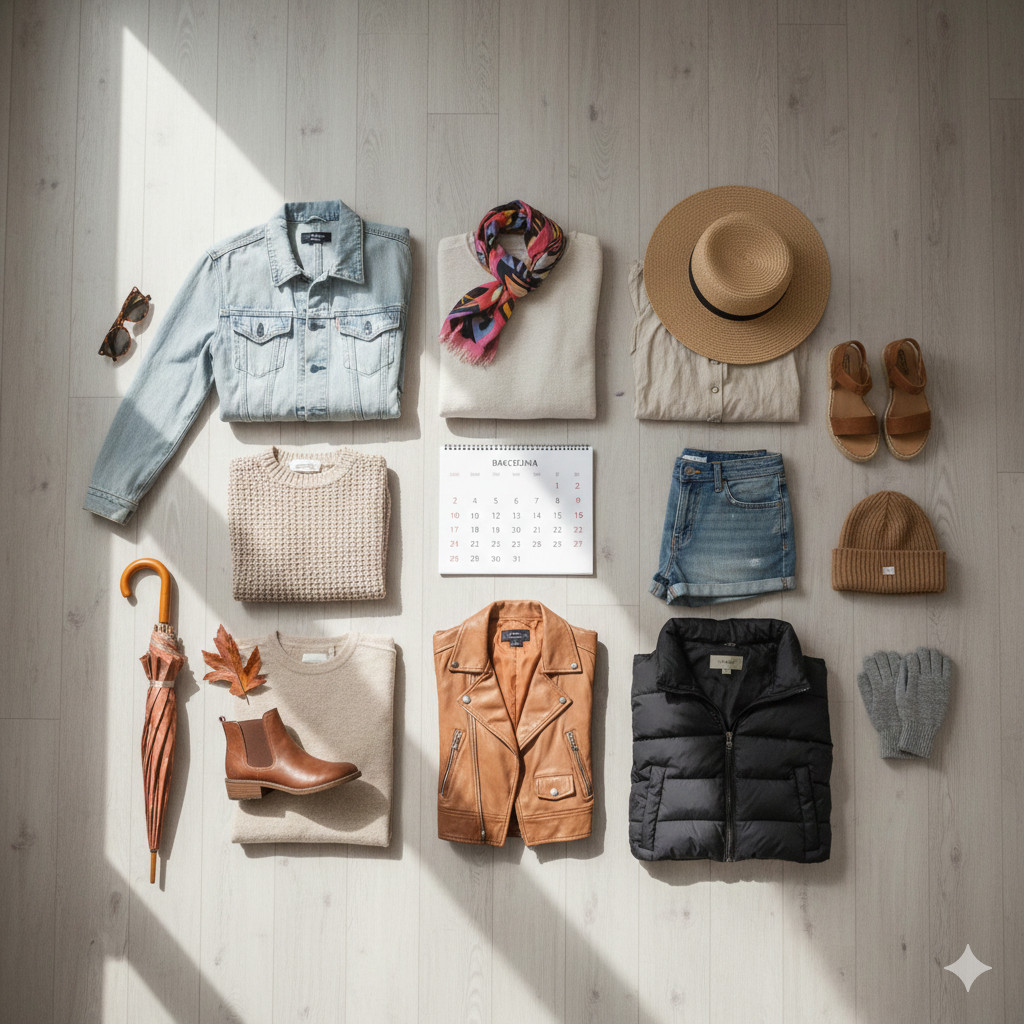
Barcelona has a Mediterranean climate, which means mild winters, warm summers, and plenty of sunshine. However, each season brings its own characteristics that can influence what you pack, how you plan activities, and even how you experience daily life in the city.

This guide explains Barcelona weather month by month, helping international residents know what to expect and how to prepare.

January – February: Mild Winter with Cooler Evenings

Winter in Barcelona is much milder than in northern Europe or North America.

Typical conditions:

  • Daytime: 12–15°C (54–59°F)
  • Evenings: 5–8°C (41–46°F)
  • Occasional rain
  • Mostly sunny days

Snow is extremely rare. However, indoor spaces may feel cooler because buildings are not always heavily insulated. Light jackets, sweaters, and layers are recommended.

March – April: Early Spring and Increasing Sunshine

Spring begins early in Barcelona, bringing longer days and more comfortable temperatures.

Typical conditions:

  • 15–20°C (59–68°F)
  • More sunshine
  • Occasional rain showers

This period is ideal for outdoor activities, walking, and exploring neighborhoods.

May – June: Pleasant and Comfortable Weather

Late spring and early summer are often considered the best months to live in Barcelona.

Typical conditions:

  • 20–26°C (68–79°F)
  • Low humidity
  • Plenty of sunshine

Outdoor dining, beach visits, and city events become more frequent during this time.

July – August: Hot Summer and Beach Season

Summer in Barcelona can be hot, especially during peak season.

Typical conditions:

  • 28–32°C (82–90°F)
  • High humidity
  • Warm evenings

Many residents spend time near the sea or in air-conditioned environments during the hottest hours of the day. Light clothing and hydration are essential.

September: Warm with Fewer Crowds

September often feels like an extension of summer but with more comfortable conditions.

Typical conditions:

  • 24–28°C (75–82°F)
  • Warm sea temperatures
  • Occasional storms

It is one of the most enjoyable months for both residents and visitors.

October: Mild Autumn with Pleasant Temperatures

Autumn in Barcelona remains relatively warm compared to many European cities.

Typical conditions:

  • 18–23°C (64–73°F)
  • Some rainfall
  • Comfortable evenings

This is a popular time for outdoor activities without extreme heat.

November – December: Cooler but Still Comfortable

Late autumn and early winter bring slightly cooler temperatures but still mild conditions overall.

Typical conditions:

  • 12–18°C (54–64°F)
  • Occasional rain
  • Sunny days mixed with cloudy periods

Heavy winter clothing is usually not necessary.

How Weather Influences Daily Life in Barcelona

The Mediterranean climate plays a major role in lifestyle.

Residents often enjoy:

  • Outdoor cafés year-round
  • Walking or cycling as daily transportation
  • Beach activities in warmer months
  • Social gatherings outdoors

For international residents staying several weeks or months, the climate contributes significantly to quality of life and well-being.

Living Comfortably Throughout the Seasons

Weather also affects how comfortable you feel in your living environment. Factors such as air conditioning, heating, indoor facilities, and personal space become important during seasonal changes.

A well-designed living environment can help residents maintain:

  • Consistent routines
  • Physical wellness
  • Productivity
  • Emotional balance

Especially for people adjusting to a new country, having a stable and comfortable home base makes seasonal transitions much easier.

A Comfortable Living Environment in Every Season

Blau Student Housing is designed to provide comfort throughout the year for international residents staying from a few weeks to several months. Private studios offer personal space with a kitchen and bathroom, while integrated utilities simplify daily life without unexpected bills.

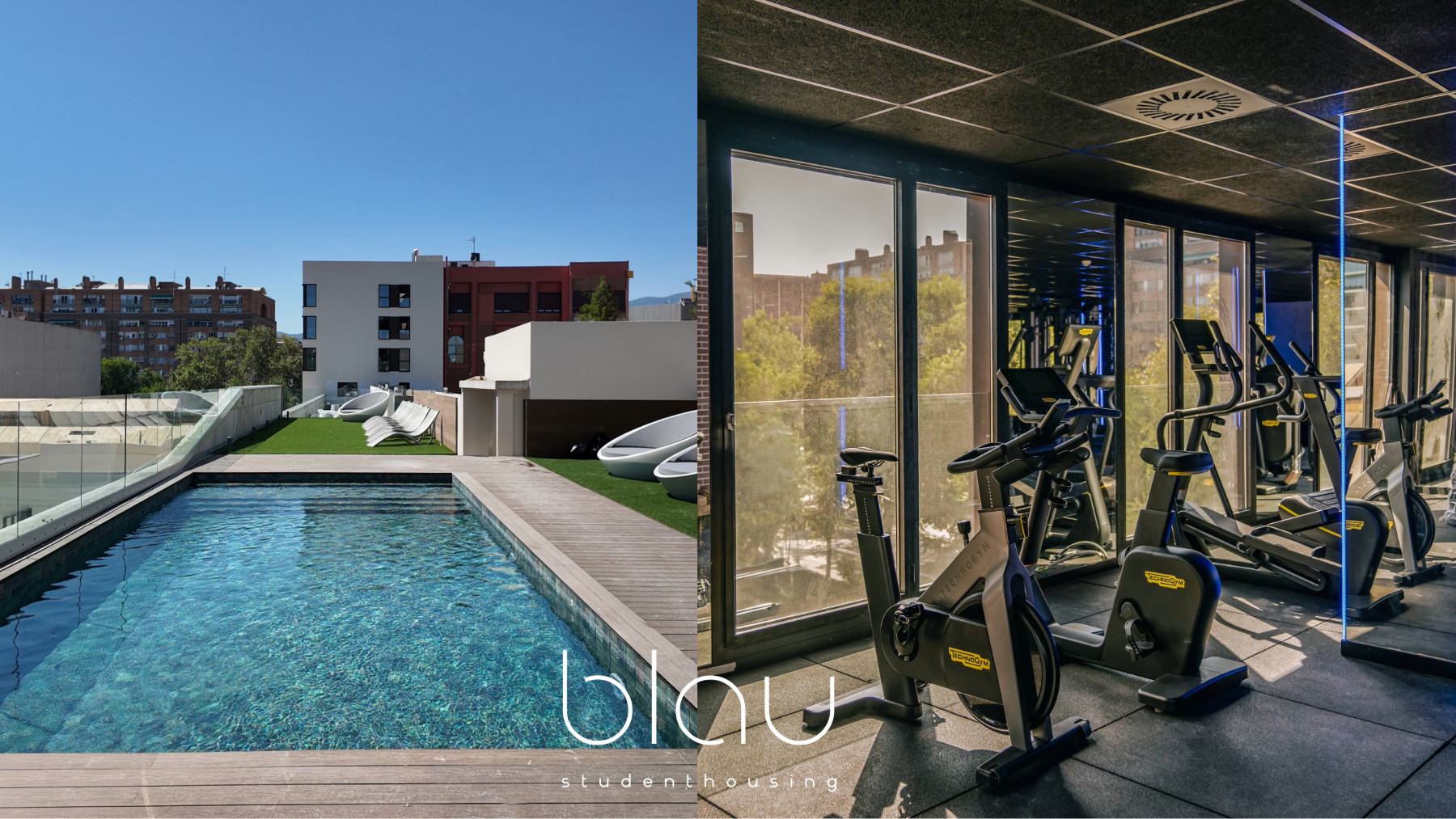
Facilities such as fitness areas, a swimming pool, and community spaces support wellness and social interaction regardless of the season. A secure and professionally managed environment also provides reassurance for residents and parents alike.

Having a comfortable place to live makes adapting to Barcelona’s climate — whether summer heat or cooler winter evenings — significantly easier.

👉 Explore Accommodation in Barcelona
https://blaustudenthousing.com/book-now

Final Thoughts

Barcelona’s weather is one of the city’s greatest advantages. With mild winters, warm summers, and abundant sunshine, residents can enjoy outdoor life almost year-round.

Understanding seasonal patterns helps you prepare better, pack appropriately, and plan your lifestyle more confidently. Combined with a comfortable living environment, the climate becomes part of what makes living in Barcelona such a rewarding experience.


Healthcare in Barcelona for International Students Guide

Healthcare in Barcelona for International Students Guide

Healthcare in Barcelona: What International Students Need to Know

Moving to a new country comes with excitement — but also practical concerns. One of the most common questions international students and residents have before arriving in Barcelona is:

What happens if I get sick while living abroad?

Understanding how healthcare works in a new country provides peace of mind, not only for students themselves but also for parents supporting them from home. The good news is that Barcelona has a high-quality healthcare system with both public and private options, and most international residents can access medical care relatively easily.

This guide explains how healthcare in Barcelona works for international students, including insurance requirements, medical services, pharmacies, and practical tips for staying healthy during your stay.

Public vs Private Healthcare in Barcelona

Spain offers both public and private healthcare systems.

Public Healthcare

The public system provides high-quality medical care but is typically available only to:

  • Residents registered in Spain
  • Workers contributing to social security
  • Some EU citizens with specific coverage

Short- and mid-term international students usually rely on private insurance instead.

Private Healthcare

Most international students use private healthcare services because:

  • Faster appointment times
  • English-speaking professionals available
  • Flexible access without long administrative processes

Private healthcare in Barcelona is widely accessible and generally affordable compared to many countries.

Health Insurance Requirements for International Students

Health insurance is often required for:

  • Student visas
  • Exchange programs
  • University enrollment

Important features to look for:

  • Coverage in Spain
  • Emergency care
  • Doctor visits and hospitalization
  • Prescription medication coverage
  • Repatriation coverage (sometimes required for visas)

EU students may use the European Health Insurance Card (EHIC), but additional private insurance is still recommended for convenience.

Visiting Doctors and Clinics in Barcelona

Healthcare access is straightforward.

Typical options include:

  • Private clinics and medical centers
  • Specialists (by appointment)
  • Emergency rooms (Urgencias)
  • Telemedicine services

Many clinics in Barcelona offer multilingual services, making communication easier for international residents.

Pharmacies and Medication Access

Pharmacies (“farmacias”) are easy to find throughout the city.

Important things to know:

  • Pharmacists are highly trained and can provide advice
  • Many medications are available without prescription
  • Some pharmacies operate 24-hour services
  • Emergency pharmacies rotate overnight availability

Knowing where to find a pharmacy near your home is useful during your stay.

Staying Healthy While Living Abroad

Physical and mental well-being are closely connected to lifestyle and environment.

Moving abroad often involves:

  • Stress from adaptation
  • Changes in routine
  • Academic or work pressure
  • Social adjustments

Maintaining healthy habits helps prevent many common issues.

Helpful strategies:

  • Regular exercise
  • Balanced nutrition
  • Sleep routines
  • Social connection
  • Stress management

Your living environment plays a significant role in supporting these habits.

How Your Living Environment Influences Health and Well-Being

A comfortable and stable living environment contributes directly to both physical and mental health.

Factors that make a difference include:

  • Personal space and privacy
  • Safe surroundings
  • Access to wellness facilities
  • Predictable routines
  • Social interaction opportunities
  • Reduced logistical stress

For international students and residents, having a supportive environment can improve adaptation speed and overall well-being during their time abroad.

Feeling Supported When You Need Help

Blau Student Housing is designed to provide a stable and comfortable environment for international residents staying in Barcelona for several weeks or months. Private studios offer personal space with a kitchen and bathroom, while integrated utilities eliminate administrative stress related to services and bills.

Wellness facilities such as fitness areas and a swimming pool support healthy routines, and secure access systems create a safe residential atmosphere — something especially reassuring for parents.

One unique service available to residents is 24-hour pharmacy delivery support. When someone feels unwell, going out to find medication can be difficult. Blau Student Housing provides assistance in arranging medication delivery, helping residents receive what they need without leaving their room. This type of support can make a meaningful difference during moments of discomfort or illness.

A structured and supportive living environment often provides confidence and peace of mind, allowing residents to focus on their experience in Barcelona rather than logistical concerns.

👉 Explore Accommodation in Barcelona
https://blaustudenthousing.com/book-now

Final Thoughts

Healthcare in Barcelona is accessible and reliable for international students, especially with proper insurance and basic preparation. Understanding how the system works before arriving reduces anxiety and helps you feel more confident about living abroad.

Equally important is choosing a living environment that supports both physical and emotional well-being. With the right preparation and support, your experience in Barcelona can be safe, healthy, and rewarding.


What to Pack When Moving to Barcelona: Essentials Guide

What to Pack When Moving to Barcelona: Essentials Guide

What to Pack When Moving to Barcelona (And What You Can Leave Behind)

Moving to Barcelona is an exciting step — whether you’re coming for studies, remote work, or a few months of living abroad. But once flights are booked and plans are in motion, a practical question quickly appears:

What should you actually pack when moving to Barcelona?

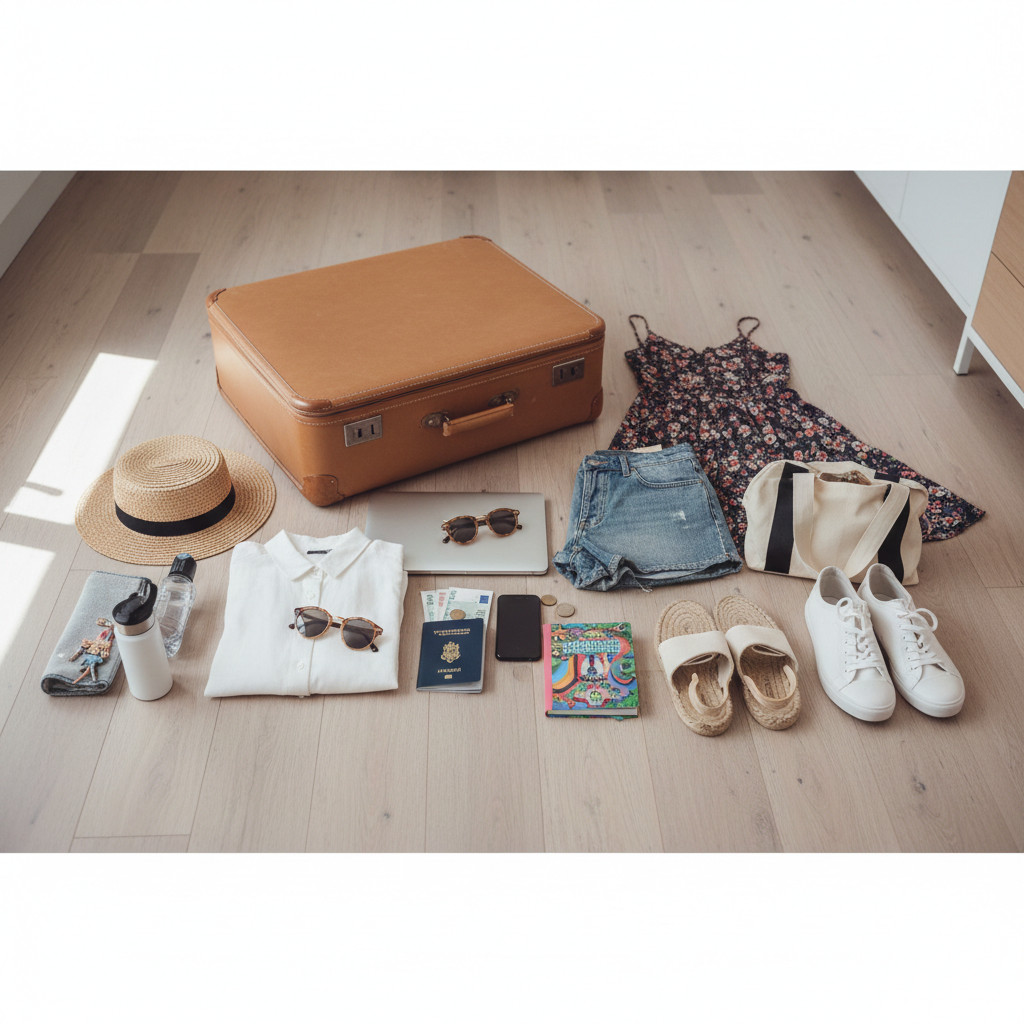
Many international residents worry about bringing too much, forgetting essentials, or not knowing what will be available locally. The good news is that Barcelona is a modern, well-connected city where most items can be purchased easily. The key is packing strategically — focusing on what truly matters during your first weeks.

This guide will help you prepare with confidence, covering the essentials you should bring, what you can buy after arrival, and how to make your transition smoother.

Understanding Barcelona’s Climate Before Packing

Barcelona has a Mediterranean climate, which means:

  • Mild winters
  • Warm to hot summers
  • Plenty of sunshine throughout the year

However, seasonal variations still matter.

Winter (December–February)

  • Light coats or jackets
  • Sweaters or layers
  • Comfortable closed shoes

Buildings are often less insulated than in northern Europe, so indoor comfort can depend on heating systems.

Spring & Autumn

  • Light layers
  • Jackets for cooler evenings
  • Comfortable walking shoes

Summer (June–September)

  • Breathable clothing
  • Shorts, dresses, and T-shirts
  • Sandals or sneakers
  • Swimwear

Barcelona involves a lot of walking, so comfortable footwear is essential year-round.

Essential Documents You Should Always Bring

Documentation is the most important category when moving abroad.

Make sure to bring:

  • Passport and copies
  • Visa or residence documents (if applicable)
  • Health insurance documents
  • University or work confirmation
  • Accommodation confirmation
  • Emergency contact information

Having digital backups stored securely online is highly recommended.

Electronics and Practical Items

Certain personal electronics are worth bringing with you.

Recommended items:

  • Laptop or tablet
  • Phone and chargers
  • Universal power adapter
  • Headphones
  • External storage or backup drive

Spain uses European plugs (Type C and F), so adapters may be necessary depending on your country of origin.

Clothing: Pack Smart, Not Heavy

One of the most common mistakes when moving abroad is overpacking clothing.

Barcelona has:

  • Affordable clothing stores
  • International brands
  • Seasonal sales

Focus on versatile items you can combine easily rather than bringing your entire wardrobe.

Good strategy:

  • 7–10 days of clothing
  • Comfortable shoes
  • One formal outfit
  • Exercise clothing

If you are staying several months, you can always purchase additional items locally.

Personal and Comfort Items

Small personal items can make a big difference emotionally when settling into a new city.

Examples:

  • Favorite toiletries
  • Prescription medication
  • Personal photos
  • Small comfort objects from home

These items help reduce the emotional impact of transition, especially during the first weeks.

What You Do NOT Need to Bring

Many items are unnecessary to pack because they are easily available in Barcelona.

Avoid bringing:

  • Kitchen equipment
  • Bedding and large textiles
  • Cleaning supplies
  • Bulky household items

Carrying heavy luggage increases stress during travel and arrival.

How Your Living Environment Affects What You Pack

Your accommodation choice significantly influences what you need to bring.

If your housing already provides:

  • Furnishings
  • Kitchen facilities
  • Utilities
  • Internet
  • Storage space

Then packing becomes much simpler and lighter.

For international residents staying a few weeks to several months, having a ready-to-live environment reduces both logistical challenges and emotional stress during transition.

Arriving in Barcelona with Comfort and Confidence

Moving abroad involves more than logistics. It includes adapting to new routines, building independence, and creating a sense of stability in an unfamiliar place.

Blau Student Housing is designed to support this transition by offering private studios with personal kitchens and bathrooms, integrated utilities, and modern furnishings. Residents arrive to a prepared living environment rather than needing to organize furniture, services, or utilities themselves.

Additional amenities such as fitness facilities, a swimming pool, and community spaces help residents maintain balance, wellness, and social connection during their stay. A secure access system and professionally managed environment also provide reassurance for both residents and parents.

For students, long-term residents, and digital professionals, starting with a comfortable and stable living base often makes the entire experience in Barcelona more positive and less stressful.

👉 Explore Accommodation in Barcelona
https://blaustudenthousing.com/book-now

Final Thoughts

Packing for Barcelona does not need to be complicated. The goal is not to bring everything you own, but to arrive prepared for your first weeks while allowing space to adapt once you are in the city.

A thoughtful packing approach — combined with a supportive living environment — can make the transition smoother, more comfortable, and more enjoyable.

With the right preparation, your move to Barcelona becomes the beginning of an exciting new chapter.


Monthly Budget in Barcelona: Realistic Cost Guide

Monthly Budget in Barcelona: Realistic Cost Guide

Monthly Budget in Barcelona: What You Really Need Each Month

If you are planning to move to Barcelona — whether for studies, remote work, or a temporary stay — one of the first practical questions is always the same:

How much money do you actually need per month to live comfortably in Barcelona?

For international residents, understanding realistic expenses is essential. Parents want predictable costs for their children. Long-term residents want financial stability. Digital nomads want a balance between lifestyle quality and budget control.

Barcelona offers a high quality of life compared to many major European cities, but monthly expenses can vary significantly depending on accommodation, lifestyle choices, and personal priorities.

This guide provides a realistic monthly budget breakdown in Barcelona for students, expats, and remote professionals, helping you plan with confidence before arriving.

Average Monthly Budget in Barcelona

Most international residents typically fall into one of these monthly budget ranges:

  • Budget lifestyle (shared housing): €900 – €1,200
  • Moderate lifestyle: €1,300 – €1,800
  • Comfortable lifestyle (private accommodation): €1,800 – €2,600+

Accommodation is usually the largest expense and has the biggest influence on total monthly costs.

Barcelona is generally more affordable than cities like London or Paris, but costs still depend heavily on the level of comfort and convenience you choose.

Accommodation: The Biggest Factor in Your Budget

Housing costs in Barcelona vary based on privacy, location, and included services.

Typical price ranges include:

  • Shared apartment room: €350 – €700
  • Basic student residences (shared facilities): €600 – €1,200+
  • Premium student residences (private studios): €1,400 – €2,200+

Lower-cost options may initially seem attractive, but they often involve shared bathrooms or kitchens, additional utility payments, furniture purchases, and administrative setup. These hidden factors can increase both costs and stress — especially for international residents unfamiliar with the local system.

Premium residences typically include private living spaces and integrated services, offering greater comfort and predictability.

For many families and professionals, this stability is a key factor when choosing accommodation abroad.

Food and Grocery Costs

Food expenses depend largely on personal habits.

Typical monthly estimates:

  • Groceries: €180 – €300
  • Eating out regularly: €200 – €400+

Barcelona offers affordable supermarkets and local markets, making it possible to manage costs efficiently when cooking at home while still enjoying the city’s culinary culture.

Transportation Costs

Barcelona’s public transportation network is reliable and accessible.

Typical monthly expenses:

  • Public transport pass: €40 – €80
  • Occasional taxis or ride-sharing: additional costs

Living in a well-connected neighborhood can reduce both commuting time and transportation expenses.

Utilities and Internet

If utilities are not included in rent, residents should expect:

  • Electricity, water, gas, internet: €80 – €150 per month

Seasonal changes can affect energy consumption, particularly during summer or winter months.

Leisure, Wellness, and Personal Expenses

Lifestyle spending varies depending on priorities and routines.

Typical monthly estimates:

  • Social activities and entertainment: €100 – €300+
  • Gym memberships, hobbies, travel, or nightlife: additional costs

Quality of life in Barcelona often includes outdoor activities, wellness routines, and social experiences.

Realistic Monthly Budget Examples

Budget Lifestyle

  • Accommodation: €400 – €600
  • Food: €200 – €300
  • Transport: €50
  • Leisure: €100

Total: approximately €900 – €1,200

Comfortable Lifestyle

  • Accommodation: €1,400 – €1,800
  • Food: €250 – €400
  • Transport: €50 – €80
  • Leisure: €200 – €400

Total: approximately €1,900 – €2,600+

These ranges provide a practical planning reference for most residents.

Why Living Environment Matters More Than Price Alone

Monthly expenses are not only about numbers — they are about daily experience.

For people moving abroad, managing housing contracts, utilities, transportation logistics, and administrative tasks can create unexpected costs and stress. A stable and well-organized living environment often reduces:

  • Hidden expenses
  • Time spent managing logistics
  • Commuting time
  • Administrative complexity
  • Emotional stress during adaptation

This is especially important for parents supporting students abroad, professionals working remotely, or anyone staying several months in a new city.

Comfort, Stability, and Predictable Costs in Barcelona

Starting life in Barcelona becomes significantly easier when accommodation provides structure, safety, and convenience from the beginning.

Blau Student Housing is designed as a premium student residence that offers a complete living environment for international residents staying from a few weeks to several months.

Key advantages include:

  • Fully private studios with personal bathroom and kitchen
  • All utilities and high-speed internet included in the rent
  • Access to fitness facilities and a swimming pool
  • Secure access systems and professionally managed environment
  • Comfortable community spaces that encourage social connection
  • A safe residential atmosphere for international residents

Because utilities, facilities, and services are integrated, residents benefit from predictable monthly costs without unexpected bills. This is particularly valuable for long-term stays and for families planning budgets in advance.

For parents, knowing their child lives in a secure and structured environment provides reassurance. For digital nomads and professionals, wellness amenities like a gym and pool support both productivity and well-being. For students staying several months, a comfortable private space combined with community interaction helps create balance and confidence during their time abroad.

Rather than being simply accommodation, the living environment becomes part of the overall experience — influencing comfort, independence, and daily life quality.

👉 Explore Accommodation in Barcelona
https://blaustudenthousing.com/book-now

Final Thoughts

Barcelona can be affordable or expensive depending on lifestyle choices, but careful planning makes a significant difference. Understanding realistic monthly expenses — especially housing — allows residents to prepare financially and enjoy their time in the city.

More importantly, choosing the right living environment often has a greater impact than small cost differences. Stability, comfort, and security shape the overall experience of living abroad.

With the right preparation, Barcelona can be both manageable and deeply rewarding.

Is Barcelona Safe? What You Need Before Moving

Is Barcelona Safe? What You Need to Know Before Moving

Is Barcelona Safe? What You Need to Know Before Moving

If you’re planning to move to Barcelona — whether for studies, remote work, or a short-term stay — safety is probably one of your biggest concerns.

It’s a completely natural question.

Barcelona is one of Europe’s most visited cities, attracting millions of international residents and travelers every year. But like any major metropolitan destination, it has both safe areas and situations that require awareness.

The good news is that most people live comfortably and safely in Barcelona. Understanding the reality — rather than myths — helps you prepare with confidence and enjoy your experience without unnecessary worry.

This guide explains what you need to know about safety in Barcelona before moving, including common risks, safe neighborhoods, and practical tips for daily life.

Is Barcelona Generally Safe?

Overall, Barcelona is considered a relatively safe city, especially compared to many large international urban centers.

Violent crime rates are low, and serious incidents are uncommon. The most frequent safety issue reported by residents and visitors is petty theft, particularly pickpocketing in crowded tourist areas.

This means the primary concern is not personal safety, but protecting belongings in busy environments.

For people living in the city — rather than visiting briefly — daily life is typically calm and secure.

Common Safety Concerns in Barcelona

Understanding typical risks helps reduce anxiety and improve awareness.

The most common issues include:

  • Pickpocketing in crowded areas
  • Bag theft in tourist zones
  • Phone theft on public transport
  • Opportunistic theft at beaches or terraces

These incidents are usually non-violent and can often be avoided with simple precautions.

Areas Where You Should Be More Careful

Certain locations attract large numbers of tourists, which increases the likelihood of petty theft.

Areas where extra awareness is helpful:

  • La Rambla
  • Gothic Quarter (especially crowded streets)
  • El Raval at night
  • Barceloneta beach during peak season
  • Busy metro lines and stations

Being attentive to belongings in these areas is usually enough to reduce risk.

Safe Neighborhoods for Living

Barcelona has many residential neighborhoods that are considered safe and comfortable for daily life.

Popular areas for international residents include:

  • Eixample
  • Poblenou
  • Gràcia
  • Sant Martí
  • Les Corts

These neighborhoods offer a balance of residential atmosphere, accessibility, and amenities.

Living in a residential district rather than a heavily touristic area often improves both comfort and safety perception.

Practical Safety Tips for Daily Life

Most safety concerns in Barcelona can be minimized with basic awareness.

Helpful tips:

  • Keep valuables secure and out of sight
  • Use bags with zippers or anti-theft features
  • Avoid leaving belongings unattended
  • Stay aware in crowded public transport
  • Be cautious with phones in busy areas
  • Use trusted transportation at night

These habits quickly become routine for residents.

The Importance of Your Living Environment

Safety is not only about the city — it is also about where and how you live.

A secure, well-managed residential environment can significantly influence:

  • Peace of mind
  • Daily comfort
  • Confidence moving around the city
  • Stress levels during adaptation
  • Overall experience abroad

For people moving to Barcelona for the first time, having a stable living base often reduces anxiety more than any other factor.

Feeling Secure While Settling Into Barcelona

Starting life in a new city involves many adjustments: understanding transportation, building routines, meeting people, and adapting to a new culture. A supportive living environment makes this transition much smoother.

Blau Student Housing is designed for international residents who want comfort, stability, and security while living in Barcelona. Private studios provide personal space and independence, while controlled access systems and community areas create a sense of safety and connection.

For many residents, knowing they have a reliable place to live allows them to explore the city with greater confidence and peace of mind.

👉 Explore Accommodation in Barcelona
https://blaustudenthousing.com/book-now

Final Thoughts

Barcelona is generally a safe city to live in, especially when you understand common risks and take simple precautions. Like any major city, awareness and preparation make a significant difference.

More importantly, choosing the right living environment can strongly influence how safe and comfortable you feel during your time abroad. With realistic expectations and good planning, living in Barcelona can be both secure and rewarding.

Cost of Living in Barcelona for Students and Expats

Cost of Living in Barcelona for Students and Expats

Cost of Living in Barcelona: What You Really Need Each Month

Barcelona is one of Europe’s most attractive cities for international students, young professionals, and digital nomads. With its Mediterranean climate, vibrant culture, and international atmosphere, it offers an appealing lifestyle for people planning to stay for a few weeks or several months.

However, before moving, one of the most important questions people ask is simple:

How much does it actually cost to live in Barcelona?

The answer depends largely on your accommodation choice, lifestyle habits, and personal priorities. Understanding realistic monthly expenses helps reduce uncertainty and allows you to plan your stay with confidence.

This guide explains the typical cost of living in Barcelona for students and expats, including housing, food, transportation, and daily life expenses.

Average Monthly Cost of Living in Barcelona

For most international residents, monthly living costs fall into these ranges:

  • Budget lifestyle (shared housing): €900 – €1,200 per month

  • Moderate lifestyle: €1,300 – €1,800 per month

  • Comfortable lifestyle (private accommodation): €1,800 – €2,500+ per month

Accommodation is usually the largest expense and plays the biggest role in determining your total monthly budget.

Barcelona is generally more affordable than cities like London or Paris, but costs can vary significantly depending on location and living standards.

Accommodation Costs: The Most Important Expense

Housing is the biggest component of living costs in Barcelona.

Typical price ranges include:

  • Shared apartment room: €350 – €700

  • Basic student residences (shared facilities): €600 – €1,200+

  • Premium student residences (private studio format): €1,400 – €2,200+

The differences in price mainly reflect the level of privacy, included services, facilities, and overall living environment.

Lower-cost options often involve shared kitchens or bathrooms, additional utility payments, and fewer services. While they may seem cheaper initially, the total cost can increase once utilities, furniture, and setup expenses are considered.

Premium residences provide private studios with integrated services, creating a more predictable and comfortable living experience — especially valuable for people arriving in a new country.

Food and Grocery Costs

Food expenses depend heavily on lifestyle.

Typical monthly estimates:

  • Groceries: €180 – €300

  • Eating out regularly: €200 – €400+

Barcelona offers a wide range of options, from affordable local markets to international restaurants. Many residents combine cooking at home with occasional dining out to manage costs.

Transportation Costs

Barcelona has a well-developed public transport system that makes getting around easy and relatively affordable.

Typical monthly expenses:

  • Public transport pass: €40 – €80

  • Occasional taxis or ride-sharing: additional costs

Living in a well-connected neighborhood can reduce transportation costs significantly.

Utilities and Internet

If utilities are not included in rent, expect:

  • Electricity, water, gas, internet: €80 – €150 per month

Seasonal usage can influence costs, particularly during summer or winter.

Leisure and Personal Expenses

Barcelona offers an active social life, and spending in this category varies widely depending on personal habits.

Typical monthly estimates:

  • Social activities and entertainment: €100 – €300+

  • Gym memberships, events, nightlife, or travel: additional costs

Lifestyle choices play a major role in this part of the budget.

A Realistic Monthly Budget Example

Budget Lifestyle

  • Accommodation: €400 – €600

  • Food: €200 – €300

  • Transport: €50

  • Leisure: €100

Total: approximately €900 – €1,200

Comfortable Lifestyle

  • Accommodation: €1,400 – €1,800

  • Food: €250 – €400

  • Transport: €50 – €80

  • Leisure: €200 – €400

Total: approximately €1,900 – €2,600+

These ranges vary depending on individual preferences, but they provide a realistic planning reference.

Why More Students and Expats Choose Premium Residences

When moving abroad, accommodation is more than just a place to sleep. It influences your daily routine, comfort level, and overall experience in the city.

Many residents prioritize:

  • A fully private studio with personal bathroom and kitchen

  • Utilities and internet included

  • Modern design and comfortable facilities

  • Secure access and safe environment

  • Community spaces and social interaction opportunities

  • Professional management and support

While the monthly cost may be higher, the convenience, predictability, and quality of life often make a significant difference — particularly during the first months of settling into Barcelona.

What Makes Blau Student Housing Different

Blau Student Housing is designed as a premium student residence with private studio accommodation in Barcelona, created for international residents staying from a few weeks to several months.

Each studio includes:

  • A private bathroom

  • A private kitchen

  • Modern furnishings

  • High-quality facilities

  • Secure access systems

  • Community spaces that encourage interaction

For students, expats, and digital nomads, this type of environment reduces logistical stress and allows them to focus on adapting to life in Barcelona. Rather than competing with low-cost shared housing, Blau belongs to a different category — one centered on privacy, stability, safety, and community.

👉 Explore Accommodation in Barcelona
https://blaustudenthousing.com/book-now

Final Thoughts

The cost of living in Barcelona can vary widely depending on lifestyle choices, but careful planning — especially around housing — makes the experience much more manageable.

More importantly, choosing the right living environment when arriving in a new city can influence not only your budget but also your overall quality of life. With realistic expectations and the right preparation, living in Barcelona can be both comfortable and rewarding.

When do you

want to stay

Short Stays
Stay up to
6 months
Long Stays
Stay more than
6+months