Healthcare in Barcelona for International Students Guide

Healthcare in Barcelona for International Students Guide

Healthcare in Barcelona: What International Students Need to Know

Moving to a new country comes with excitement — but also practical concerns. One of the most common questions international students and residents have before arriving in Barcelona is:

What happens if I get sick while living abroad?

Understanding how healthcare works in a new country provides peace of mind, not only for students themselves but also for parents supporting them from home. The good news is that Barcelona has a high-quality healthcare system with both public and private options, and most international residents can access medical care relatively easily.

This guide explains how healthcare in Barcelona works for international students, including insurance requirements, medical services, pharmacies, and practical tips for staying healthy during your stay.

Public vs Private Healthcare in Barcelona

Spain offers both public and private healthcare systems.

Public Healthcare

The public system provides high-quality medical care but is typically available only to:

  • Residents registered in Spain
  • Workers contributing to social security
  • Some EU citizens with specific coverage

Short- and mid-term international students usually rely on private insurance instead.

Private Healthcare

Most international students use private healthcare services because:

  • Faster appointment times
  • English-speaking professionals available
  • Flexible access without long administrative processes

Private healthcare in Barcelona is widely accessible and generally affordable compared to many countries.

Health Insurance Requirements for International Students

Health insurance is often required for:

  • Student visas
  • Exchange programs
  • University enrollment

Important features to look for:

  • Coverage in Spain
  • Emergency care
  • Doctor visits and hospitalization
  • Prescription medication coverage
  • Repatriation coverage (sometimes required for visas)

EU students may use the European Health Insurance Card (EHIC), but additional private insurance is still recommended for convenience.

Visiting Doctors and Clinics in Barcelona

Healthcare access is straightforward.

Typical options include:

  • Private clinics and medical centers
  • Specialists (by appointment)
  • Emergency rooms (Urgencias)
  • Telemedicine services

Many clinics in Barcelona offer multilingual services, making communication easier for international residents.

Pharmacies and Medication Access

Pharmacies (“farmacias”) are easy to find throughout the city.

Important things to know:

  • Pharmacists are highly trained and can provide advice
  • Many medications are available without prescription
  • Some pharmacies operate 24-hour services
  • Emergency pharmacies rotate overnight availability

Knowing where to find a pharmacy near your home is useful during your stay.

Staying Healthy While Living Abroad

Physical and mental well-being are closely connected to lifestyle and environment.

Moving abroad often involves:

  • Stress from adaptation
  • Changes in routine
  • Academic or work pressure
  • Social adjustments

Maintaining healthy habits helps prevent many common issues.

Helpful strategies:

  • Regular exercise
  • Balanced nutrition
  • Sleep routines
  • Social connection
  • Stress management

Your living environment plays a significant role in supporting these habits.

How Your Living Environment Influences Health and Well-Being

A comfortable and stable living environment contributes directly to both physical and mental health.

Factors that make a difference include:

  • Personal space and privacy
  • Safe surroundings
  • Access to wellness facilities
  • Predictable routines
  • Social interaction opportunities
  • Reduced logistical stress

For international students and residents, having a supportive environment can improve adaptation speed and overall well-being during their time abroad.

Feeling Supported When You Need Help

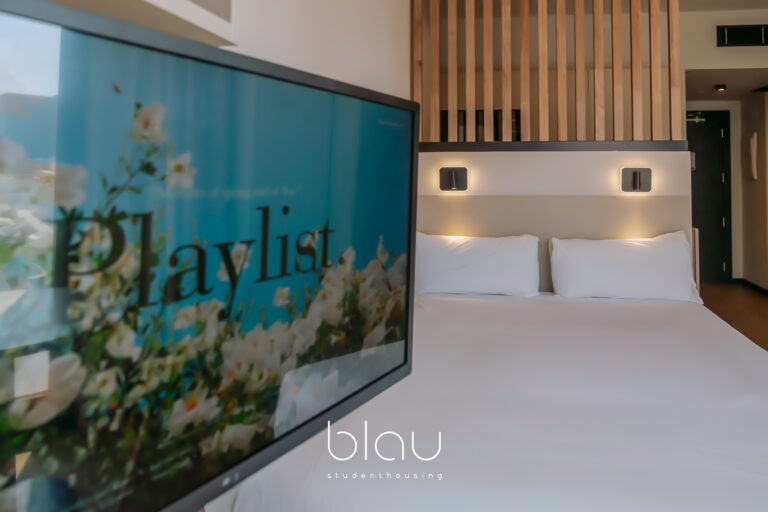
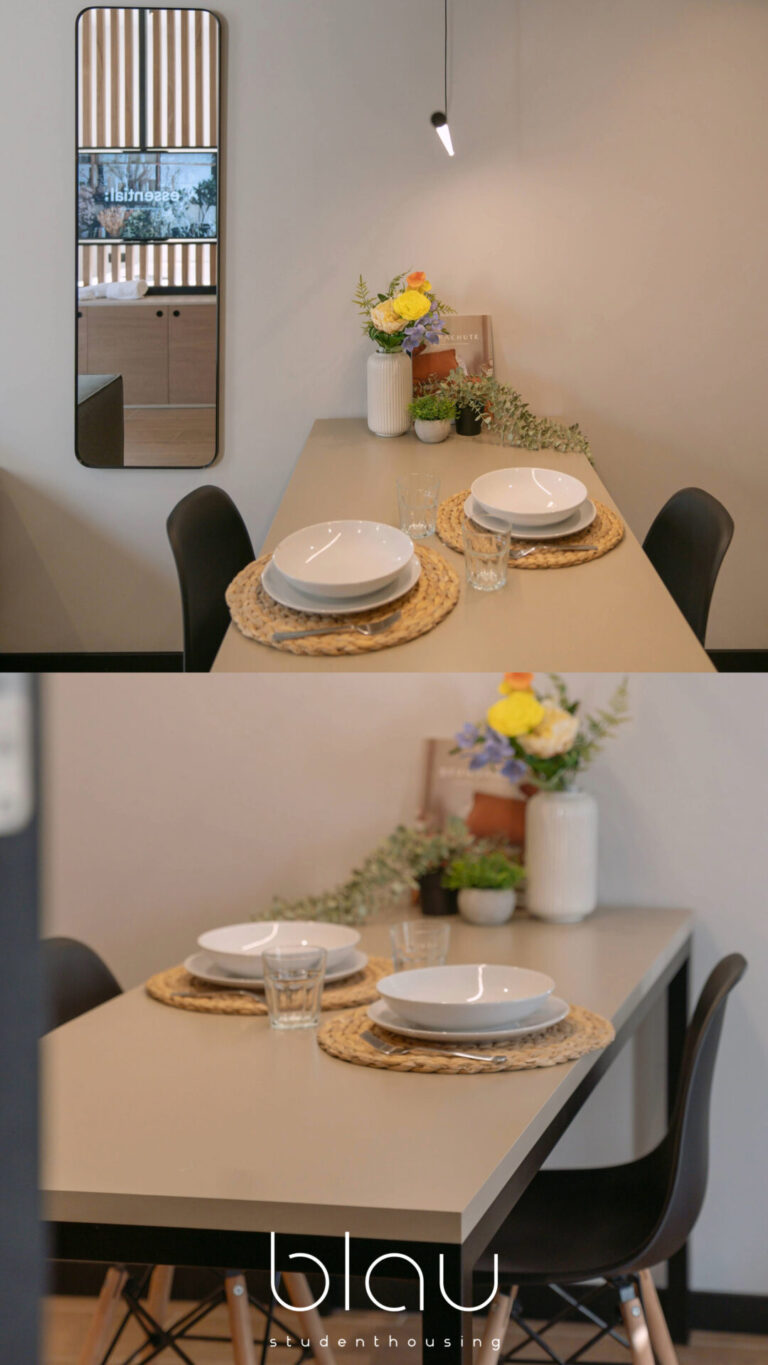
Blau Student Housing is designed to provide a stable and comfortable environment for international residents staying in Barcelona for several weeks or months. Private studios offer personal space with a kitchen and bathroom, while integrated utilities eliminate administrative stress related to services and bills.

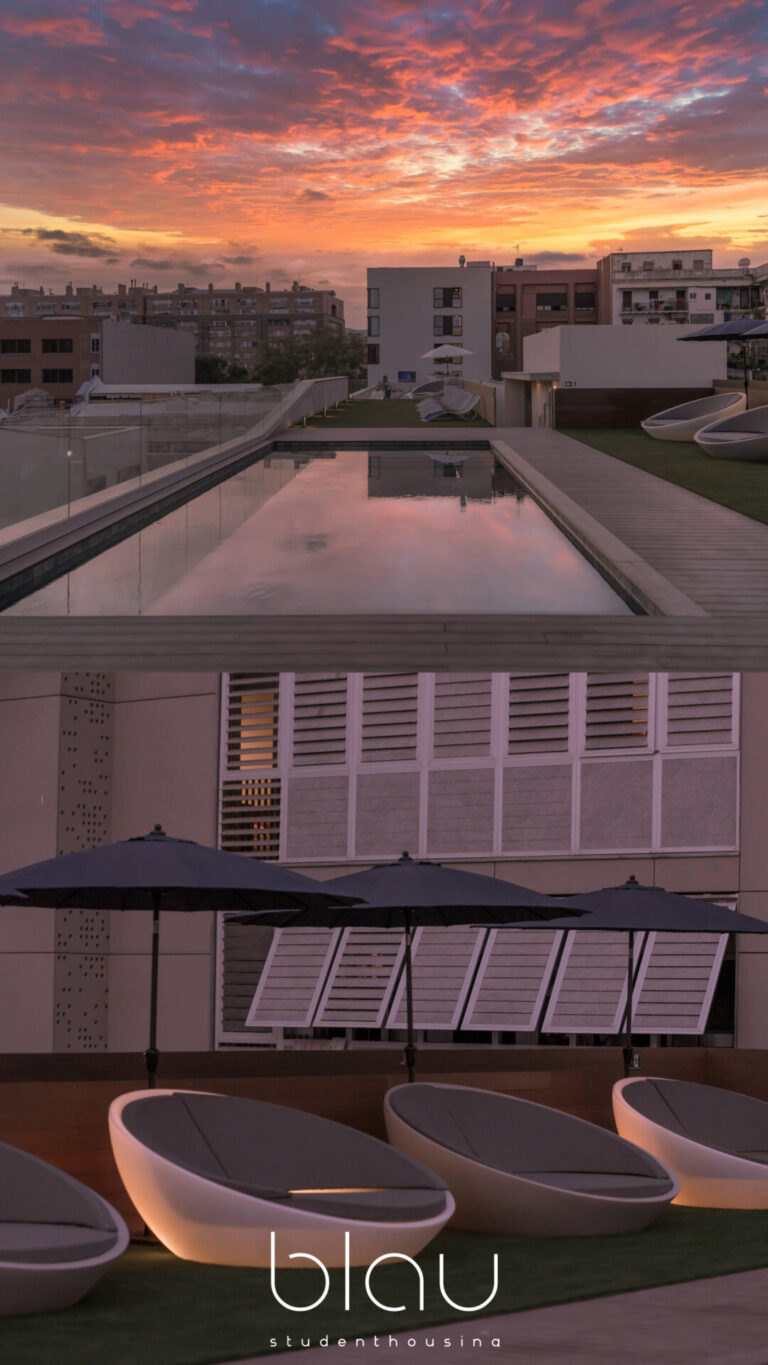
Wellness facilities such as fitness areas and a swimming pool support healthy routines, and secure access systems create a safe residential atmosphere — something especially reassuring for parents.

One unique service available to residents is 24-hour pharmacy delivery support. When someone feels unwell, going out to find medication can be difficult. Blau Student Housing provides assistance in arranging medication delivery, helping residents receive what they need without leaving their room. This type of support can make a meaningful difference during moments of discomfort or illness.

A structured and supportive living environment often provides confidence and peace of mind, allowing residents to focus on their experience in Barcelona rather than logistical concerns.

👉 Explore Accommodation in Barcelona
https://blaustudenthousing.com/book-now

Final Thoughts

Healthcare in Barcelona is accessible and reliable for international students, especially with proper insurance and basic preparation. Understanding how the system works before arriving reduces anxiety and helps you feel more confident about living abroad.

Equally important is choosing a living environment that supports both physical and emotional well-being. With the right preparation and support, your experience in Barcelona can be safe, healthy, and rewarding.


What to Pack When Moving to Barcelona: Essentials Guide

What to Pack When Moving to Barcelona: Essentials Guide

What to Pack When Moving to Barcelona (And What You Can Leave Behind)

Moving to Barcelona is an exciting step — whether you’re coming for studies, remote work, or a few months of living abroad. But once flights are booked and plans are in motion, a practical question quickly appears:

What should you actually pack when moving to Barcelona?

Many international residents worry about bringing too much, forgetting essentials, or not knowing what will be available locally. The good news is that Barcelona is a modern, well-connected city where most items can be purchased easily. The key is packing strategically — focusing on what truly matters during your first weeks.

This guide will help you prepare with confidence, covering the essentials you should bring, what you can buy after arrival, and how to make your transition smoother.

Understanding Barcelona’s Climate Before Packing

Barcelona has a Mediterranean climate, which means:

  • Mild winters
  • Warm to hot summers
  • Plenty of sunshine throughout the year

However, seasonal variations still matter.

Winter (December–February)

  • Light coats or jackets
  • Sweaters or layers
  • Comfortable closed shoes

Buildings are often less insulated than in northern Europe, so indoor comfort can depend on heating systems.

Spring & Autumn

  • Light layers
  • Jackets for cooler evenings
  • Comfortable walking shoes

Summer (June–September)

  • Breathable clothing
  • Shorts, dresses, and T-shirts
  • Sandals or sneakers
  • Swimwear

Barcelona involves a lot of walking, so comfortable footwear is essential year-round.

Essential Documents You Should Always Bring

Documentation is the most important category when moving abroad.

Make sure to bring:

  • Passport and copies
  • Visa or residence documents (if applicable)
  • Health insurance documents
  • University or work confirmation
  • Accommodation confirmation
  • Emergency contact information

Having digital backups stored securely online is highly recommended.

Electronics and Practical Items

Certain personal electronics are worth bringing with you.

Recommended items:

  • Laptop or tablet
  • Phone and chargers
  • Universal power adapter
  • Headphones
  • External storage or backup drive

Spain uses European plugs (Type C and F), so adapters may be necessary depending on your country of origin.

Clothing: Pack Smart, Not Heavy

One of the most common mistakes when moving abroad is overpacking clothing.

Barcelona has:

  • Affordable clothing stores
  • International brands
  • Seasonal sales

Focus on versatile items you can combine easily rather than bringing your entire wardrobe.

Good strategy:

  • 7–10 days of clothing
  • Comfortable shoes
  • One formal outfit
  • Exercise clothing

If you are staying several months, you can always purchase additional items locally.

Personal and Comfort Items

Small personal items can make a big difference emotionally when settling into a new city.

Examples:

  • Favorite toiletries
  • Prescription medication
  • Personal photos
  • Small comfort objects from home

These items help reduce the emotional impact of transition, especially during the first weeks.

What You Do NOT Need to Bring

Many items are unnecessary to pack because they are easily available in Barcelona.

Avoid bringing:

  • Kitchen equipment
  • Bedding and large textiles
  • Cleaning supplies
  • Bulky household items

Carrying heavy luggage increases stress during travel and arrival.

How Your Living Environment Affects What You Pack

Your accommodation choice significantly influences what you need to bring.

If your housing already provides:

  • Furnishings
  • Kitchen facilities
  • Utilities
  • Internet
  • Storage space

Then packing becomes much simpler and lighter.

For international residents staying a few weeks to several months, having a ready-to-live environment reduces both logistical challenges and emotional stress during transition.

Arriving in Barcelona with Comfort and Confidence

Moving abroad involves more than logistics. It includes adapting to new routines, building independence, and creating a sense of stability in an unfamiliar place.

Blau Student Housing is designed to support this transition by offering private studios with personal kitchens and bathrooms, integrated utilities, and modern furnishings. Residents arrive to a prepared living environment rather than needing to organize furniture, services, or utilities themselves.

Additional amenities such as fitness facilities, a swimming pool, and community spaces help residents maintain balance, wellness, and social connection during their stay. A secure access system and professionally managed environment also provide reassurance for both residents and parents.

For students, long-term residents, and digital professionals, starting with a comfortable and stable living base often makes the entire experience in Barcelona more positive and less stressful.

👉 Explore Accommodation in Barcelona
https://blaustudenthousing.com/book-now

Final Thoughts

Packing for Barcelona does not need to be complicated. The goal is not to bring everything you own, but to arrive prepared for your first weeks while allowing space to adapt once you are in the city.

A thoughtful packing approach — combined with a supportive living environment — can make the transition smoother, more comfortable, and more enjoyable.

With the right preparation, your move to Barcelona becomes the beginning of an exciting new chapter.


Monthly Budget in Barcelona: Realistic Cost Guide

Monthly Budget in Barcelona: Realistic Cost Guide

Monthly Budget in Barcelona: What You Really Need Each Month

If you are planning to move to Barcelona — whether for studies, remote work, or a temporary stay — one of the first practical questions is always the same:

How much money do you actually need per month to live comfortably in Barcelona?

For international residents, understanding realistic expenses is essential. Parents want predictable costs for their children. Long-term residents want financial stability. Digital nomads want a balance between lifestyle quality and budget control.

Barcelona offers a high quality of life compared to many major European cities, but monthly expenses can vary significantly depending on accommodation, lifestyle choices, and personal priorities.

This guide provides a realistic monthly budget breakdown in Barcelona for students, expats, and remote professionals, helping you plan with confidence before arriving.

Average Monthly Budget in Barcelona

Most international residents typically fall into one of these monthly budget ranges:

  • Budget lifestyle (shared housing): €900 – €1,200
  • Moderate lifestyle: €1,300 – €1,800
  • Comfortable lifestyle (private accommodation): €1,800 – €2,600+

Accommodation is usually the largest expense and has the biggest influence on total monthly costs.

Barcelona is generally more affordable than cities like London or Paris, but costs still depend heavily on the level of comfort and convenience you choose.

Accommodation: The Biggest Factor in Your Budget

Housing costs in Barcelona vary based on privacy, location, and included services.

Typical price ranges include:

  • Shared apartment room: €350 – €700
  • Basic student residences (shared facilities): €600 – €1,200+
  • Premium student residences (private studios): €1,400 – €2,200+

Lower-cost options may initially seem attractive, but they often involve shared bathrooms or kitchens, additional utility payments, furniture purchases, and administrative setup. These hidden factors can increase both costs and stress — especially for international residents unfamiliar with the local system.

Premium residences typically include private living spaces and integrated services, offering greater comfort and predictability.

For many families and professionals, this stability is a key factor when choosing accommodation abroad.

Food and Grocery Costs

Food expenses depend largely on personal habits.

Typical monthly estimates:

  • Groceries: €180 – €300
  • Eating out regularly: €200 – €400+

Barcelona offers affordable supermarkets and local markets, making it possible to manage costs efficiently when cooking at home while still enjoying the city’s culinary culture.

Transportation Costs

Barcelona’s public transportation network is reliable and accessible.

Typical monthly expenses:

  • Public transport pass: €40 – €80
  • Occasional taxis or ride-sharing: additional costs

Living in a well-connected neighborhood can reduce both commuting time and transportation expenses.

Utilities and Internet

If utilities are not included in rent, residents should expect:

  • Electricity, water, gas, internet: €80 – €150 per month

Seasonal changes can affect energy consumption, particularly during summer or winter months.

Leisure, Wellness, and Personal Expenses

Lifestyle spending varies depending on priorities and routines.

Typical monthly estimates:

  • Social activities and entertainment: €100 – €300+
  • Gym memberships, hobbies, travel, or nightlife: additional costs

Quality of life in Barcelona often includes outdoor activities, wellness routines, and social experiences.

Realistic Monthly Budget Examples

Budget Lifestyle

  • Accommodation: €400 – €600
  • Food: €200 – €300
  • Transport: €50
  • Leisure: €100

Total: approximately €900 – €1,200

Comfortable Lifestyle

  • Accommodation: €1,400 – €1,800
  • Food: €250 – €400
  • Transport: €50 – €80
  • Leisure: €200 – €400

Total: approximately €1,900 – €2,600+

These ranges provide a practical planning reference for most residents.

Why Living Environment Matters More Than Price Alone

Monthly expenses are not only about numbers — they are about daily experience.

For people moving abroad, managing housing contracts, utilities, transportation logistics, and administrative tasks can create unexpected costs and stress. A stable and well-organized living environment often reduces:

  • Hidden expenses
  • Time spent managing logistics
  • Commuting time
  • Administrative complexity
  • Emotional stress during adaptation

This is especially important for parents supporting students abroad, professionals working remotely, or anyone staying several months in a new city.

Comfort, Stability, and Predictable Costs in Barcelona

Starting life in Barcelona becomes significantly easier when accommodation provides structure, safety, and convenience from the beginning.

Blau Student Housing is designed as a premium student residence that offers a complete living environment for international residents staying from a few weeks to several months.

Key advantages include:

  • Fully private studios with personal bathroom and kitchen
  • All utilities and high-speed internet included in the rent
  • Access to fitness facilities and a swimming pool
  • Secure access systems and professionally managed environment
  • Comfortable community spaces that encourage social connection
  • A safe residential atmosphere for international residents

Because utilities, facilities, and services are integrated, residents benefit from predictable monthly costs without unexpected bills. This is particularly valuable for long-term stays and for families planning budgets in advance.

For parents, knowing their child lives in a secure and structured environment provides reassurance. For digital nomads and professionals, wellness amenities like a gym and pool support both productivity and well-being. For students staying several months, a comfortable private space combined with community interaction helps create balance and confidence during their time abroad.

Rather than being simply accommodation, the living environment becomes part of the overall experience — influencing comfort, independence, and daily life quality.

👉 Explore Accommodation in Barcelona
https://blaustudenthousing.com/book-now

Final Thoughts

Barcelona can be affordable or expensive depending on lifestyle choices, but careful planning makes a significant difference. Understanding realistic monthly expenses — especially housing — allows residents to prepare financially and enjoy their time in the city.

More importantly, choosing the right living environment often has a greater impact than small cost differences. Stability, comfort, and security shape the overall experience of living abroad.

With the right preparation, Barcelona can be both manageable and deeply rewarding.

Is Barcelona Safe? What You Need Before Moving

Is Barcelona Safe? What You Need to Know Before Moving

Is Barcelona Safe? What You Need to Know Before Moving

If you’re planning to move to Barcelona — whether for studies, remote work, or a short-term stay — safety is probably one of your biggest concerns.

It’s a completely natural question.

Barcelona is one of Europe’s most visited cities, attracting millions of international residents and travelers every year. But like any major metropolitan destination, it has both safe areas and situations that require awareness.

The good news is that most people live comfortably and safely in Barcelona. Understanding the reality — rather than myths — helps you prepare with confidence and enjoy your experience without unnecessary worry.

This guide explains what you need to know about safety in Barcelona before moving, including common risks, safe neighborhoods, and practical tips for daily life.

Is Barcelona Generally Safe?

Overall, Barcelona is considered a relatively safe city, especially compared to many large international urban centers.

Violent crime rates are low, and serious incidents are uncommon. The most frequent safety issue reported by residents and visitors is petty theft, particularly pickpocketing in crowded tourist areas.

This means the primary concern is not personal safety, but protecting belongings in busy environments.

For people living in the city — rather than visiting briefly — daily life is typically calm and secure.

Common Safety Concerns in Barcelona

Understanding typical risks helps reduce anxiety and improve awareness.

The most common issues include:

  • Pickpocketing in crowded areas
  • Bag theft in tourist zones
  • Phone theft on public transport
  • Opportunistic theft at beaches or terraces

These incidents are usually non-violent and can often be avoided with simple precautions.

Areas Where You Should Be More Careful

Certain locations attract large numbers of tourists, which increases the likelihood of petty theft.

Areas where extra awareness is helpful:

  • La Rambla
  • Gothic Quarter (especially crowded streets)
  • El Raval at night
  • Barceloneta beach during peak season
  • Busy metro lines and stations

Being attentive to belongings in these areas is usually enough to reduce risk.

Safe Neighborhoods for Living

Barcelona has many residential neighborhoods that are considered safe and comfortable for daily life.

Popular areas for international residents include:

  • Eixample
  • Poblenou
  • Gràcia
  • Sant Martí
  • Les Corts

These neighborhoods offer a balance of residential atmosphere, accessibility, and amenities.

Living in a residential district rather than a heavily touristic area often improves both comfort and safety perception.

Practical Safety Tips for Daily Life

Most safety concerns in Barcelona can be minimized with basic awareness.

Helpful tips:

  • Keep valuables secure and out of sight
  • Use bags with zippers or anti-theft features
  • Avoid leaving belongings unattended
  • Stay aware in crowded public transport
  • Be cautious with phones in busy areas
  • Use trusted transportation at night

These habits quickly become routine for residents.

The Importance of Your Living Environment

Safety is not only about the city — it is also about where and how you live.

A secure, well-managed residential environment can significantly influence:

  • Peace of mind
  • Daily comfort
  • Confidence moving around the city
  • Stress levels during adaptation
  • Overall experience abroad

For people moving to Barcelona for the first time, having a stable living base often reduces anxiety more than any other factor.

Feeling Secure While Settling Into Barcelona

Starting life in a new city involves many adjustments: understanding transportation, building routines, meeting people, and adapting to a new culture. A supportive living environment makes this transition much smoother.

Blau Student Housing is designed for international residents who want comfort, stability, and security while living in Barcelona. Private studios provide personal space and independence, while controlled access systems and community areas create a sense of safety and connection.

For many residents, knowing they have a reliable place to live allows them to explore the city with greater confidence and peace of mind.

👉 Explore Accommodation in Barcelona
https://blaustudenthousing.com/book-now

Final Thoughts

Barcelona is generally a safe city to live in, especially when you understand common risks and take simple precautions. Like any major city, awareness and preparation make a significant difference.

More importantly, choosing the right living environment can strongly influence how safe and comfortable you feel during your time abroad. With realistic expectations and good planning, living in Barcelona can be both secure and rewarding.

Cost of Living in Barcelona for Students and Expats

Cost of Living in Barcelona for Students and Expats

Cost of Living in Barcelona: What You Really Need Each Month

Barcelona is one of Europe’s most attractive cities for international students, young professionals, and digital nomads. With its Mediterranean climate, vibrant culture, and international atmosphere, it offers an appealing lifestyle for people planning to stay for a few weeks or several months.

However, before moving, one of the most important questions people ask is simple:

How much does it actually cost to live in Barcelona?

The answer depends largely on your accommodation choice, lifestyle habits, and personal priorities. Understanding realistic monthly expenses helps reduce uncertainty and allows you to plan your stay with confidence.

This guide explains the typical cost of living in Barcelona for students and expats, including housing, food, transportation, and daily life expenses.

Average Monthly Cost of Living in Barcelona

For most international residents, monthly living costs fall into these ranges:

  • Budget lifestyle (shared housing): €900 – €1,200 per month

  • Moderate lifestyle: €1,300 – €1,800 per month

  • Comfortable lifestyle (private accommodation): €1,800 – €2,500+ per month

Accommodation is usually the largest expense and plays the biggest role in determining your total monthly budget.

Barcelona is generally more affordable than cities like London or Paris, but costs can vary significantly depending on location and living standards.

Accommodation Costs: The Most Important Expense

Housing is the biggest component of living costs in Barcelona.

Typical price ranges include:

  • Shared apartment room: €350 – €700

  • Basic student residences (shared facilities): €600 – €1,200+

  • Premium student residences (private studio format): €1,400 – €2,200+

The differences in price mainly reflect the level of privacy, included services, facilities, and overall living environment.

Lower-cost options often involve shared kitchens or bathrooms, additional utility payments, and fewer services. While they may seem cheaper initially, the total cost can increase once utilities, furniture, and setup expenses are considered.

Premium residences provide private studios with integrated services, creating a more predictable and comfortable living experience — especially valuable for people arriving in a new country.

Food and Grocery Costs

Food expenses depend heavily on lifestyle.

Typical monthly estimates:

  • Groceries: €180 – €300

  • Eating out regularly: €200 – €400+

Barcelona offers a wide range of options, from affordable local markets to international restaurants. Many residents combine cooking at home with occasional dining out to manage costs.

Transportation Costs

Barcelona has a well-developed public transport system that makes getting around easy and relatively affordable.

Typical monthly expenses:

  • Public transport pass: €40 – €80

  • Occasional taxis or ride-sharing: additional costs

Living in a well-connected neighborhood can reduce transportation costs significantly.

Utilities and Internet

If utilities are not included in rent, expect:

  • Electricity, water, gas, internet: €80 – €150 per month

Seasonal usage can influence costs, particularly during summer or winter.

Leisure and Personal Expenses

Barcelona offers an active social life, and spending in this category varies widely depending on personal habits.

Typical monthly estimates:

  • Social activities and entertainment: €100 – €300+

  • Gym memberships, events, nightlife, or travel: additional costs

Lifestyle choices play a major role in this part of the budget.

A Realistic Monthly Budget Example

Budget Lifestyle

  • Accommodation: €400 – €600

  • Food: €200 – €300

  • Transport: €50

  • Leisure: €100

Total: approximately €900 – €1,200

Comfortable Lifestyle

  • Accommodation: €1,400 – €1,800

  • Food: €250 – €400

  • Transport: €50 – €80

  • Leisure: €200 – €400

Total: approximately €1,900 – €2,600+

These ranges vary depending on individual preferences, but they provide a realistic planning reference.

Why More Students and Expats Choose Premium Residences

When moving abroad, accommodation is more than just a place to sleep. It influences your daily routine, comfort level, and overall experience in the city.

Many residents prioritize:

  • A fully private studio with personal bathroom and kitchen

  • Utilities and internet included

  • Modern design and comfortable facilities

  • Secure access and safe environment

  • Community spaces and social interaction opportunities

  • Professional management and support

While the monthly cost may be higher, the convenience, predictability, and quality of life often make a significant difference — particularly during the first months of settling into Barcelona.

What Makes Blau Student Housing Different

Blau Student Housing is designed as a premium student residence with private studio accommodation in Barcelona, created for international residents staying from a few weeks to several months.

Each studio includes:

  • A private bathroom

  • A private kitchen

  • Modern furnishings

  • High-quality facilities

  • Secure access systems

  • Community spaces that encourage interaction

For students, expats, and digital nomads, this type of environment reduces logistical stress and allows them to focus on adapting to life in Barcelona. Rather than competing with low-cost shared housing, Blau belongs to a different category — one centered on privacy, stability, safety, and community.

👉 Explore Accommodation in Barcelona
https://blaustudenthousing.com/book-now

Final Thoughts

The cost of living in Barcelona can vary widely depending on lifestyle choices, but careful planning — especially around housing — makes the experience much more manageable.

More importantly, choosing the right living environment when arriving in a new city can influence not only your budget but also your overall quality of life. With realistic expectations and the right preparation, living in Barcelona can be both comfortable and rewarding.

How to Find a Flat in Barcelona: What You Need to Know Before You Start Searching


BLAU LOBBY

How to Find a Flat in Barcelona: A Practical Guide for International Students and Expats

Finding a flat in Barcelona can feel overwhelming, especially if you’re new to the city or moving from abroad. The rental market is competitive, prices vary significantly by neighborhood, and the process often works differently from what many people expect. Understanding how the system works — and what to watch out for — can save you time, money, and unnecessary stress.

This guide explains the key steps, realistic expectations, and practical tips to help you find accommodation in Barcelona more efficiently.

Understand the Barcelona Rental Market First

Barcelona has a high demand for housing, particularly in central and coastal areas. Apartments are often rented quickly, and many landlords prefer tenants who can demonstrate financial stability or provide documentation.

There are generally three main types of housing options:

  • Private apartments (entire flat)
  • Shared apartments (room rentals)
  • Student residences or serviced accommodation

Private flats offer more independence but usually require longer contracts and higher upfront costs. Shared apartments are more flexible but involve living with roommates you may not know. Residences or managed accommodations tend to be more straightforward for international arrivals because services and contracts are clearer.

Best Websites to Search for Flats

Most people start their search online. The most commonly used platforms in Barcelona include:

  • Idealista
  • Fotocasa
  • Badi (for room rentals)
  • Spotahome (mid-term rentals)
  • HousingAnywhere

It’s important to act quickly when you find a good option. Many listings receive multiple inquiries within hours.

Documents You May Need

Landlords and agencies often ask for documentation before approving a tenant. Common requirements include:

  • Passport or ID
  • Proof of income or employment contract
  • Bank statements
  • Student enrollment confirmation (if applicable)
  • Spanish guarantor (sometimes required)

If you are moving from another country, this can be one of the biggest challenges because you may not yet have local financial records.

Upfront Costs to Expect

The initial cost of renting a flat in Barcelona is higher than many newcomers expect. Typical upfront expenses include:

  • First month’s rent
  • Security deposit (usually 1–2 months)
  • Agency fee (sometimes 1 month + VAT)
  • Administrative costs

This means you may need 3–4 months of rent available at the beginning.

Choosing the Right Neighborhood

Barcelona neighborhoods vary widely in atmosphere and price. Some popular areas include:

  • Eixample — central, well-connected, elegant buildings
  • Gràcia — local lifestyle, charming streets
  • Poblenou — modern, close to the beach, international community
  • El Born / Gothic — historic but often more expensive
  • Sant Martí — residential with good transport links

Your choice should depend on your priorities: budget, proximity to work or university, lifestyle preferences, and transport access.

Avoiding Scams

Rental scams exist, particularly targeting international newcomers. Warning signs include:

  • Requests for payment before viewing
  • Prices that seem unusually low
  • Landlords refusing video calls or visits
  • Pressure to transfer money quickly

Always verify the property and the person renting it before sending any funds.

Consider Alternative Options When Arriving

Many people underestimate how difficult it can be to secure a long-term flat before arriving in Barcelona. A practical strategy is to book temporary accommodation first, then search locally once you are in the city.

This approach allows you to:

  • Visit apartments in person
  • Understand neighborhoods better
  • Avoid scams
  • Reduce pressure to commit quickly

For students, digital nomads, or professionals staying several weeks or months, managed accommodation or student residences can provide a smoother start, with fewer administrative barriers and more flexibility.

Final Thoughts

Finding a flat in Barcelona is absolutely possible, but it requires preparation, realistic expectations, and time. Understanding the cost structure and giving yourself enough flexibility is essential. For international arrivals in particular, signing a long-term lease before arriving in the city can be risky. Many people find it much easier to secure accommodation after they are already in Barcelona and can visit properties in person.

If you are planning to stay for a few weeks or months, starting with a flexible short- or mid-term housing option is often the most practical approach. It reduces administrative barriers, avoids large upfront commitments, and gives you time to understand the city before making long-term decisions.

Blau Student Housing offers private studio accommodation designed for people who are coming to Barcelona to study, work remotely, or experience life in the city. All studios include a private bathroom and kitchen, along with access to shared community spaces and facilities, providing a comfortable and stable environment during your first period in Barcelona.

If you are looking for a place to stay while settling into the city, starting with a reliable accommodation option before committing to a long-term rental can be a smart strategy.

👉 Explore Private Studios in Barcelona :

https://blaustudenthousing.com/book-now

Moving to Spain: What You Need to Know Before Starting Your Life in Barcelona

Moving to Spain isn’t just a change of address. It’s a shift in pace, culture, and perspective. Every year, we welcome students who arrive with two suitcases, a head full of expectations, and a mix of excitement and nerves. If you’re preparing for this step, here’s what you should really know.

Spain Is Not Just a Destination — It’s a Lifestyle

You’ve probably imagined sunny afternoons, siestas, café terraces, and late dinners. That part is true. But Spain is also about community, routine, and learning to slow down without losing ambition.

In cities like Barcelona, Madrid, or Valencia, student life blends tradition and modern energy. Universities are demanding. Deadlines matter. But so does sharing a meal at 10 p.m. and taking a walk after class just because the weather is too good to ignore.

The First Weeks: Expect Adjustment

Let’s be honest. The honeymoon phase is real, but so is culture shock.

  • Bureaucracy takes patience.

  • Things don’t always run “on time” the way you might expect.

  • You’ll hear multiple languages — Spanish, Catalan, regional dialects.

It’s normal to feel overwhelmed at first. The key is consistency. Establish your routine early. Learn the transport system. Find your local grocery store. Introduce yourself to your neighbors. Stability comes from small habits.

But hey, in Blau, you have Free Spanish/Catalan Classes.

Why Your Housing Choice Matters More Than You Think

Where you live will shape your entire experience.

Student housing isn’t just about having a bed and Wi-Fi. It’s where friendships start. It’s where you celebrate passing exams. It’s where someone knocks on your door and says, “We’re going out tonight, are you coming?”

Living in a dedicated student residence gives you structure:

  • A built-in community

  • Organized activities

  • Study-friendly spaces

  • Support when something goes wrong

Especially in your first year, that support system makes a difference. Independence is important, but so is having people around you who understand exactly what you’re going through.

Academic Culture in Spain

Spanish universities value critical thinking and participation. Professors expect engagement. Attendance often counts. Group projects are common.

If you’re coming through programs like Erasmus Programme, be prepared for a diverse classroom. You won’t just meet Spaniards — you’ll meet people from all over Europe and beyond. That diversity becomes one of the strongest parts of your experience.

Daily Life: What Surprises Students Most

  1. Meal times are late. Lunch around 2 p.m., dinner rarely before 9 p.m.

  2. Social life is outdoors. Plazas and terraces are central to community life.

  3. Public transport works well. In Spain, everything is connected. You don’t need a car in major cities.

  4. Weekends are sacred. Spaniards work hard, but they protect their downtime.

Adapting to these rhythms takes effort, but once you do, it feels natural.

Building Your Circle

The students who thrive are the ones who participate.

Join events. Say yes to invitations. Practice Spanish, even if it feels uncomfortable. Growth rarely happens in isolation.

From our perspective as student housing providers, the residents who make the most of their time here are not necessarily the most outgoing — they’re the most open.

A Word on Independence

Moving abroad forces you to mature. You’ll manage your budget, cook your meals, schedule your study time, and solve problems without calling home every five minutes.

That responsibility is a gift. Spain will give you sun, culture, and memories — but the discipline you build here will shape your future.

When do you

want to stay

Short Stays
Stay up to
6 months
Long Stays
Stay more than
6+months