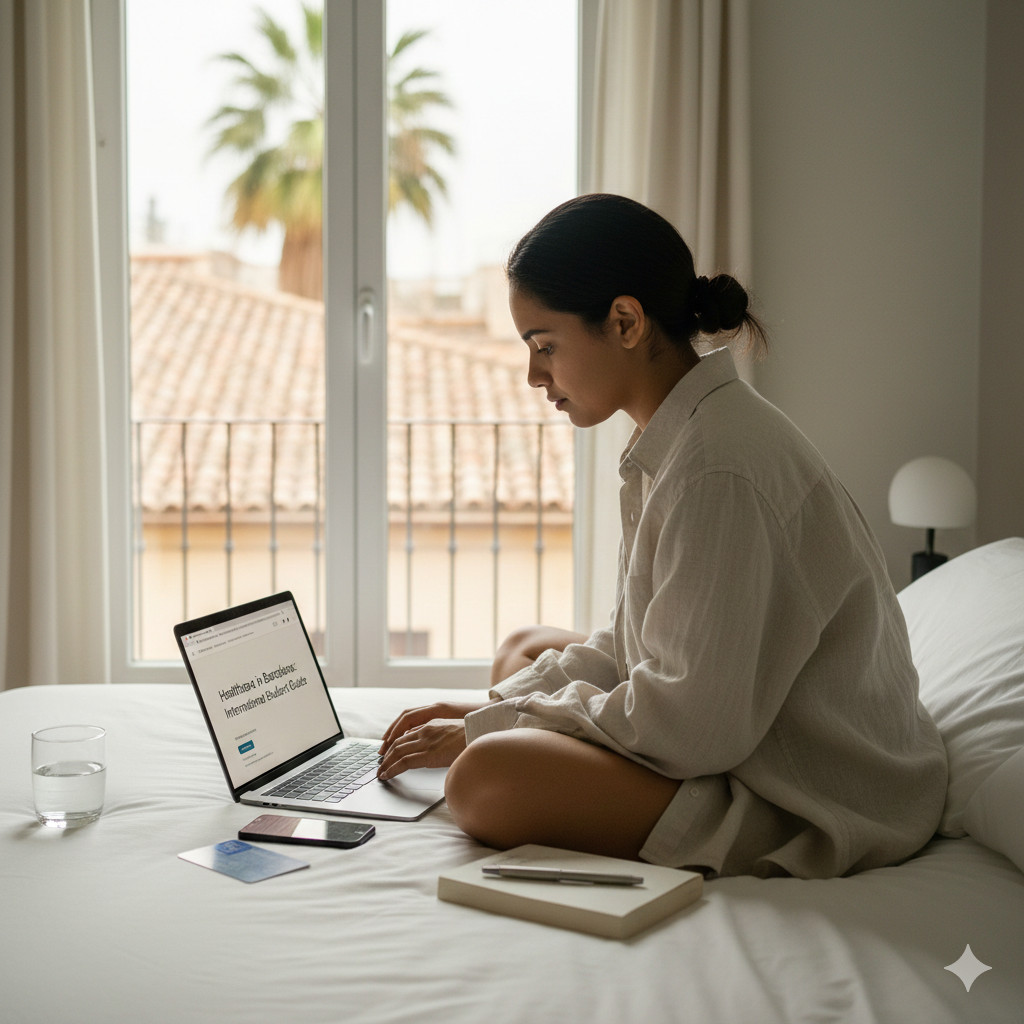
Healthcare in Barcelona for International Students Guide

Healthcare in Barcelona for International Students Guide

Healthcare in Barcelona: What International Students Need to Know

Moving to a new country comes with excitement — but also practical concerns. One of the most common questions international students and residents have before arriving in Barcelona is:

What happens if I get sick while living abroad?

Understanding how healthcare works in a new country provides peace of mind, not only for students themselves but also for parents supporting them from home. The good news is that Barcelona has a high-quality healthcare system with both public and private options, and most international residents can access medical care relatively easily.

This guide explains how healthcare in Barcelona works for international students, including insurance requirements, medical services, pharmacies, and practical tips for staying healthy during your stay.

Public vs Private Healthcare in Barcelona

Spain offers both public and private healthcare systems.

Public Healthcare

The public system provides high-quality medical care but is typically available only to:

  • Residents registered in Spain
  • Workers contributing to social security
  • Some EU citizens with specific coverage

Short- and mid-term international students usually rely on private insurance instead.

Private Healthcare

Most international students use private healthcare services because:

  • Faster appointment times
  • English-speaking professionals available
  • Flexible access without long administrative processes

Private healthcare in Barcelona is widely accessible and generally affordable compared to many countries.

Health Insurance Requirements for International Students

Health insurance is often required for:

  • Student visas
  • Exchange programs
  • University enrollment

Important features to look for:

  • Coverage in Spain
  • Emergency care
  • Doctor visits and hospitalization
  • Prescription medication coverage
  • Repatriation coverage (sometimes required for visas)

EU students may use the European Health Insurance Card (EHIC), but additional private insurance is still recommended for convenience.

Visiting Doctors and Clinics in Barcelona

Healthcare access is straightforward.

Typical options include:

  • Private clinics and medical centers
  • Specialists (by appointment)
  • Emergency rooms (Urgencias)
  • Telemedicine services

Many clinics in Barcelona offer multilingual services, making communication easier for international residents.

Pharmacies and Medication Access

Pharmacies (“farmacias”) are easy to find throughout the city.

Important things to know:

  • Pharmacists are highly trained and can provide advice
  • Many medications are available without prescription
  • Some pharmacies operate 24-hour services
  • Emergency pharmacies rotate overnight availability

Knowing where to find a pharmacy near your home is useful during your stay.

Staying Healthy While Living Abroad

Physical and mental well-being are closely connected to lifestyle and environment.

Moving abroad often involves:

  • Stress from adaptation
  • Changes in routine
  • Academic or work pressure
  • Social adjustments

Maintaining healthy habits helps prevent many common issues.

Helpful strategies:

  • Regular exercise
  • Balanced nutrition
  • Sleep routines
  • Social connection
  • Stress management

Your living environment plays a significant role in supporting these habits.

How Your Living Environment Influences Health and Well-Being

A comfortable and stable living environment contributes directly to both physical and mental health.

Factors that make a difference include:

  • Personal space and privacy
  • Safe surroundings
  • Access to wellness facilities
  • Predictable routines
  • Social interaction opportunities
  • Reduced logistical stress

For international students and residents, having a supportive environment can improve adaptation speed and overall well-being during their time abroad.

Feeling Supported When You Need Help

Blau Student Housing is designed to provide a stable and comfortable environment for international residents staying in Barcelona for several weeks or months. Private studios offer personal space with a kitchen and bathroom, while integrated utilities eliminate administrative stress related to services and bills.

Wellness facilities such as fitness areas and a swimming pool support healthy routines, and secure access systems create a safe residential atmosphere — something especially reassuring for parents.

One unique service available to residents is 24-hour pharmacy delivery support. When someone feels unwell, going out to find medication can be difficult. Blau Student Housing provides assistance in arranging medication delivery, helping residents receive what they need without leaving their room. This type of support can make a meaningful difference during moments of discomfort or illness.

A structured and supportive living environment often provides confidence and peace of mind, allowing residents to focus on their experience in Barcelona rather than logistical concerns.

👉 Explore Accommodation in Barcelona
https://blaustudenthousing.com/book-now

Final Thoughts

Healthcare in Barcelona is accessible and reliable for international students, especially with proper insurance and basic preparation. Understanding how the system works before arriving reduces anxiety and helps you feel more confident about living abroad.

Equally important is choosing a living environment that supports both physical and emotional well-being. With the right preparation and support, your experience in Barcelona can be safe, healthy, and rewarding.



How to Practice Spanish in Daily Life in Barcelona

How to Practice Spanish in Daily Life in Barcelona (Even If You’re a Beginner)


One of the biggest advantages of living in Barcelona is the opportunity to practice Spanish in real-life situations every day. However, many international residents quickly realize that simply being in Spain does not automatically lead to language improvement.

It’s possible to spend weeks or even months abroad while still speaking mostly English.

The key difference between slow and fast progress is not location — it’s how intentionally you use your environment.

This guide explains practical ways to practice Spanish in daily life in Barcelona, even if you are a beginner.

Start with Small Daily Interactions

You don’t need long conversations to improve. Short interactions repeated every day are extremely powerful.

Simple opportunities include:

  • Ordering coffee or food
  • Asking for directions
  • Greeting neighbors
  • Shopping at local stores
  • Speaking with reception staff

These small moments build confidence and familiarity with common phrases.

Consistency matters more than complexity.

Use Spanish Even When English Is Available

Barcelona is an international city, and many people speak English. While this is convenient, it can slow language progress if you always default to English.

A simple strategy is to:

  • Start conversations in Spanish
  • Continue as long as you feel comfortable
  • Switch to English only when necessary

Most locals appreciate the effort and will respond positively.

Join Social Activities and Community Events

Language is social. Practicing with people is far more effective than studying alone.

Community environments create natural opportunities to:

  • Meet new people
  • Practice conversations
  • Learn informal expressions
  • Build confidence

Many learners find that social experiences are the biggest turning point in their language journey.

Listen Actively to Your Surroundings

Even when you are not speaking, you can practice Spanish by listening.

Examples:

  • Conversations in cafés
  • Public transport announcements
  • Television or radio
  • People talking in shops

Passive exposure trains your brain to recognize patterns and pronunciation.

Create Personal Language Habits

Building routines helps reinforce learning.

You can:

  • Change your phone language to Spanish
  • Keep a notebook of new phrases
  • Think in Spanish during daily tasks
  • Practice speaking aloud when alone

These habits gradually make Spanish feel more natural.

Take Structured Lessons to Support Real Practice

Daily exposure works best when combined with structured learning. Lessons provide grammar clarity, vocabulary, and feedback that make real-life practice more effective.

Without guidance, learners sometimes repeat the same mistakes or feel unsure about progress.

The combination of lessons and daily life practice is one of the fastest ways to improve.

Why Your Living Environment Matters

Your living environment plays a significant role in how often you practice Spanish.

When you live in a place where you interact with people regularly, share spaces, and participate in activities, opportunities for practice increase naturally.

Isolation slows progress. Interaction accelerates it.

Practicing Spanish While Living in Barcelona

Starting life in a new city involves adapting to routines, meeting people, and building confidence. Having a comfortable and supportive environment makes it easier to focus on communication rather than logistics.

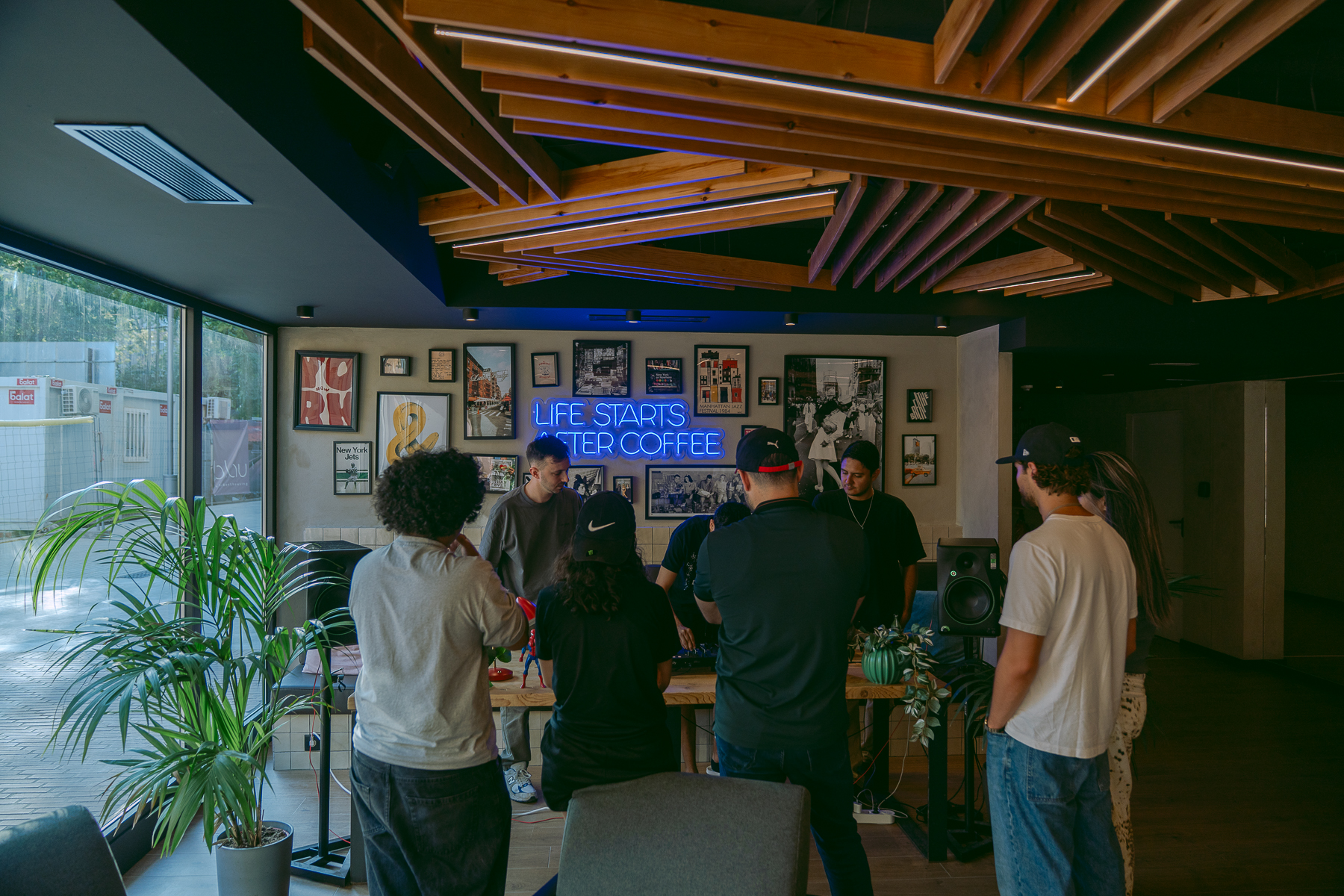
Blau Student Housing provides private studios and shared community spaces designed for people living in Barcelona for study, work, or personal experiences. The community atmosphere creates natural opportunities to meet others, interact, and practice Spanish in everyday situations.

Many residents discover that daily exposure within a supportive environment helps reduce anxiety and improves confidence faster than expected.

A Practical Start for Your Time in Barcelona

If you are planning to stay in Barcelona for several weeks or months, choosing an environment that encourages interaction can make a significant difference in your language progress.

Starting with stable accommodation allows you to focus on adapting to the city and practicing Spanish naturally before making long-term plans.

👉 Explore Accommodation in Barcelona
https://blaustudenthousing.com/book-now

Final Thoughts

Practicing Spanish in daily life does not require perfect grammar or long conversations.

What matters most is:

  • Consistency
  • Confidence
  • Interaction
  • Exposure

When Spanish becomes part of your routine, improvement happens naturally.

And often, the right environment makes that process much easier.

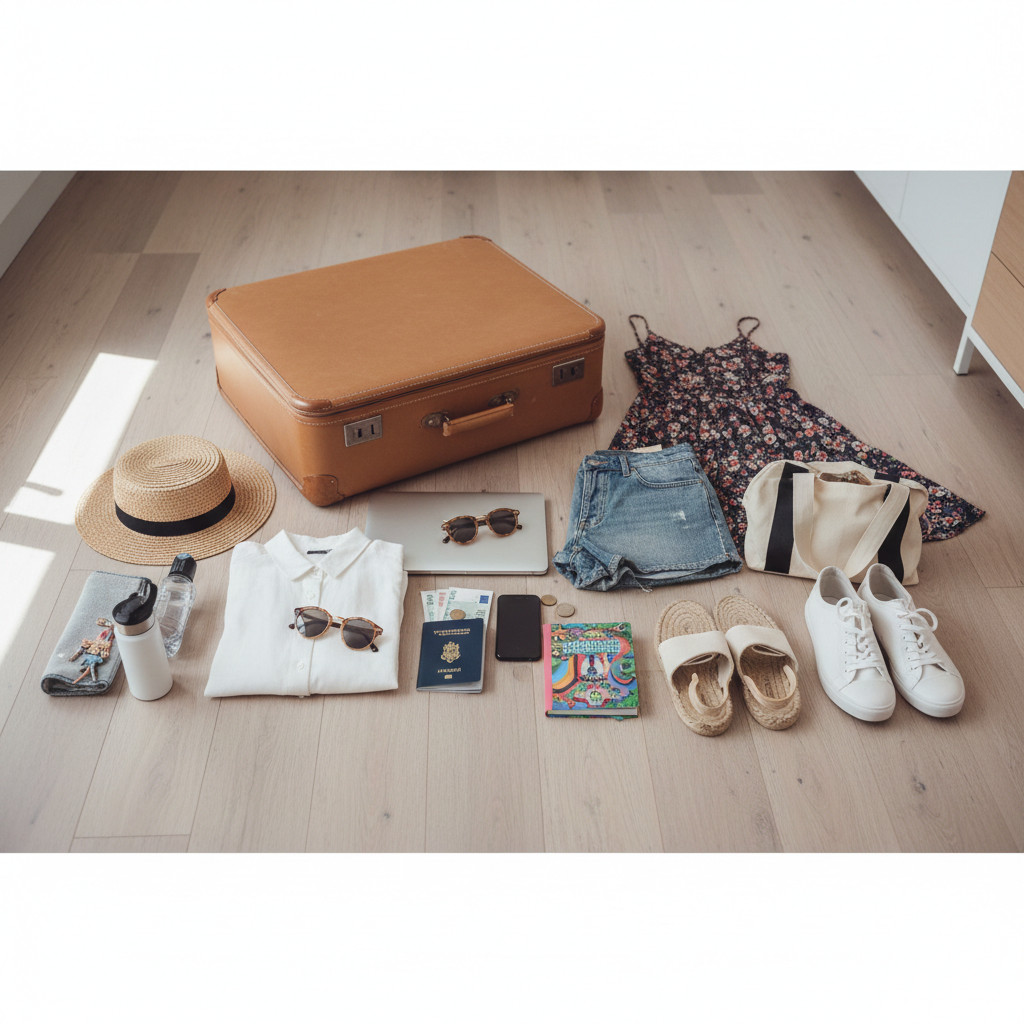
What to Pack When Moving to Barcelona: Essentials Guide

What to Pack When Moving to Barcelona: Essentials Guide

What to Pack When Moving to Barcelona (And What You Can Leave Behind)

Moving to Barcelona is an exciting step — whether you’re coming for studies, remote work, or a few months of living abroad. But once flights are booked and plans are in motion, a practical question quickly appears:

What should you actually pack when moving to Barcelona?

Many international residents worry about bringing too much, forgetting essentials, or not knowing what will be available locally. The good news is that Barcelona is a modern, well-connected city where most items can be purchased easily. The key is packing strategically — focusing on what truly matters during your first weeks.

This guide will help you prepare with confidence, covering the essentials you should bring, what you can buy after arrival, and how to make your transition smoother.

Understanding Barcelona’s Climate Before Packing

Barcelona has a Mediterranean climate, which means:

  • Mild winters
  • Warm to hot summers
  • Plenty of sunshine throughout the year

However, seasonal variations still matter.

Winter (December–February)

  • Light coats or jackets
  • Sweaters or layers
  • Comfortable closed shoes

Buildings are often less insulated than in northern Europe, so indoor comfort can depend on heating systems.

Spring & Autumn

  • Light layers
  • Jackets for cooler evenings
  • Comfortable walking shoes

Summer (June–September)

  • Breathable clothing
  • Shorts, dresses, and T-shirts
  • Sandals or sneakers
  • Swimwear

Barcelona involves a lot of walking, so comfortable footwear is essential year-round.

Essential Documents You Should Always Bring

Documentation is the most important category when moving abroad.

Make sure to bring:

  • Passport and copies
  • Visa or residence documents (if applicable)
  • Health insurance documents
  • University or work confirmation
  • Accommodation confirmation
  • Emergency contact information

Having digital backups stored securely online is highly recommended.

Electronics and Practical Items

Certain personal electronics are worth bringing with you.

Recommended items:

  • Laptop or tablet
  • Phone and chargers
  • Universal power adapter
  • Headphones
  • External storage or backup drive

Spain uses European plugs (Type C and F), so adapters may be necessary depending on your country of origin.

Clothing: Pack Smart, Not Heavy

One of the most common mistakes when moving abroad is overpacking clothing.

Barcelona has:

  • Affordable clothing stores
  • International brands
  • Seasonal sales

Focus on versatile items you can combine easily rather than bringing your entire wardrobe.

Good strategy:

  • 7–10 days of clothing
  • Comfortable shoes
  • One formal outfit
  • Exercise clothing

If you are staying several months, you can always purchase additional items locally.

Personal and Comfort Items

Small personal items can make a big difference emotionally when settling into a new city.

Examples:

  • Favorite toiletries
  • Prescription medication
  • Personal photos
  • Small comfort objects from home

These items help reduce the emotional impact of transition, especially during the first weeks.

What You Do NOT Need to Bring

Many items are unnecessary to pack because they are easily available in Barcelona.

Avoid bringing:

  • Kitchen equipment
  • Bedding and large textiles
  • Cleaning supplies
  • Bulky household items

Carrying heavy luggage increases stress during travel and arrival.

How Your Living Environment Affects What You Pack

Your accommodation choice significantly influences what you need to bring.

If your housing already provides:

  • Furnishings
  • Kitchen facilities
  • Utilities
  • Internet
  • Storage space

Then packing becomes much simpler and lighter.

For international residents staying a few weeks to several months, having a ready-to-live environment reduces both logistical challenges and emotional stress during transition.

Arriving in Barcelona with Comfort and Confidence

Moving abroad involves more than logistics. It includes adapting to new routines, building independence, and creating a sense of stability in an unfamiliar place.

Blau Student Housing is designed to support this transition by offering private studios with personal kitchens and bathrooms, integrated utilities, and modern furnishings. Residents arrive to a prepared living environment rather than needing to organize furniture, services, or utilities themselves.

Additional amenities such as fitness facilities, a swimming pool, and community spaces help residents maintain balance, wellness, and social connection during their stay. A secure access system and professionally managed environment also provide reassurance for both residents and parents.

For students, long-term residents, and digital professionals, starting with a comfortable and stable living base often makes the entire experience in Barcelona more positive and less stressful.

👉 Explore Accommodation in Barcelona
https://blaustudenthousing.com/book-now

Final Thoughts

Packing for Barcelona does not need to be complicated. The goal is not to bring everything you own, but to arrive prepared for your first weeks while allowing space to adapt once you are in the city.

A thoughtful packing approach — combined with a supportive living environment — can make the transition smoother, more comfortable, and more enjoyable.

With the right preparation, your move to Barcelona becomes the beginning of an exciting new chapter.


Common Spanish Mistakes Beginners Make and How to Improve Faster While Living in Barcelona

Common Spanish Mistakes Beginners Make (And Why Your Environment Matters More Than You Think)

When you start learning Spanish, making mistakes is completely normal. Every beginner faces similar challenges, not because they lack ability, but because Spanish uses different structures and expressions compared to their native language.

For people living abroad — especially in Spain — there is often an expectation that language skills will improve automatically. However, many discover that simply being in a Spanish-speaking country does not guarantee fast progress.

The reality is simple: environment alone is not enough — but the right environment makes a huge difference.

In this guide, we’ll explore the most common Spanish mistakes beginners make and how living in Barcelona can help you improve more naturally and confidently.

Translating Directly from Your Native Language

One of the most frequent beginner mistakes is translating sentences word-for-word.

Example:

Estoy 25 años
Tengo 25 años

Spanish often expresses ideas differently, so direct translation can lead to incorrect or unnatural sentences.

Tip: Learn phrases and patterns instead of translating individual words.

Confusing Ser and Estar

Both verbs mean “to be,” but they are used differently.

  • Ser → permanent characteristics
  • Estar → temporary states or location

This is one of the most common beginner challenges and improves with exposure and practice.

Overusing Subject Pronouns

In Spanish, verb conjugations often make subject pronouns unnecessary.

Example:

Yo hablo español todos los días
Hablo español todos los días

Overusing pronouns can sound unnatural.

Mixing Up Gender and Articles

Spanish nouns have gender, which can feel confusing at first.

Example:

El casa
La casa

With repeated exposure, this becomes more intuitive.

Verb Conjugation Mistakes

Beginners often use infinitives instead of conjugated verbs.

Example:

Yo comer mañana
Yo como mañana / Voy a comer mañana

Regular conversation practice helps improve this quickly.

Pronunciation Challenges

Spanish pronunciation is relatively consistent, but beginners may struggle with:

  • Rolling the “r”
  • The “j” sound
  • Word stress

Listening and speaking regularly makes a big difference.

Fear of Speaking

The biggest obstacle is often psychological rather than grammatical.

Many learners wait until they feel ready before speaking, but confidence develops through use, not perfection.

Why Your Living Environment Matters

Language learning is not only academic — it is experiential.

When you live in a city like Barcelona, you gain:

  • Daily exposure to Spanish
  • Opportunities for real conversations
  • Cultural immersion
  • Social interaction with locals and internationals

These factors accelerate learning far more than classroom study alone.

Learning Naturally Through Daily Life in Barcelona

Starting life in a new city can feel overwhelming. Housing, routines, and social connections all require energy and attention. Having a stable living environment allows you to focus more on adapting and practicing the language.

Blau Student Housing is designed for people coming to Barcelona to study, work remotely, or experience life in the city. With private studios, shared community spaces, and opportunities to meet others, residents naturally gain more confidence using Spanish in everyday situations.

Many residents find that simply living in a supportive environment with international peers and local exposure helps reduce language anxiety and increases motivation.

A Smart Start When Moving to Barcelona

If you are planning to stay in Barcelona for several weeks or months, starting with a flexible accommodation option can make the transition much easier. It allows you to adapt to the city, understand neighborhoods, and build routines before making long-term housing decisions.

Blau Student Housing provides a comfortable and stable environment during this initial period, helping residents focus on their experience while gradually improving their Spanish through daily life.

👉 Explore Accommodation in Barcelona
https://blaustudenthousing.com/book-now

Final Thoughts

Making mistakes is an essential part of learning Spanish.

The goal is not to avoid mistakes completely — it is to practice, adapt, and gain confidence through experience. When you combine language learning with real-life exposure, progress becomes much more natural.

And often, the right environment makes all the difference.

When do you

want to stay

Short Stays
Stay up to
6 months
Long Stays
Stay more than
6+months