https://blaustudenthousing.com

Things to Know Before Moving to Barcelona for the First Time

Best Cafés to Work or Study in Barcelona

Finding the right place to work or study in a new city can make a huge difference in your daily routine. When you move to Barcelona—even for a few weeks—you quickly realize that the city is built around cafés. They’re not just places to grab coffee. They’re where people read, meet friends, answer emails, or spend a few focused hours working.

For international students, digital nomads, and expats, cafés often become part of the rhythm of life abroad. A quiet table, reliable Wi-Fi, and good coffee can turn a busy day into a productive one.

Barcelona offers hundreds of cafés, but not all of them are ideal for studying or remote work. Some are too crowded, others are more social than productive. This guide highlights the best cafés to work or study in Barcelona, places where you can focus while still enjoying the relaxed lifestyle that makes the city so special.

Why Cafés Are Part of the Barcelona Lifestyle

Unlike in many fast-paced cities, cafés here encourage people to slow down and stay awhile. It’s common to sit with a coffee for an hour or two without feeling rushed.

For newcomers adjusting to the city, cafés also offer a sense of familiarity and routine. If you’re working remotely or studying abroad, having a few go-to cafés can help you:

  • Create a productive daily rhythm

  • Discover new neighborhoods

  • Meet people naturally

  • Balance work and exploration

And when you combine that with a comfortable living environment—like a private studio where you can relax or focus when needed—you get the best of both worlds.

1. Satan’s Coffee Corner

Located in the historic center, Satan’s Coffee Corner is one of the most well-known specialty cafés in Barcelona.

It has a modern, minimalist atmosphere that makes it a great place for focused work sessions. The coffee is carefully sourced and expertly prepared, attracting both locals and visitors who appreciate quality.

Why people like working here:

  • Excellent specialty coffee

  • Clean and simple design

  • Calm atmosphere during weekdays

Because of its popularity, it’s best to visit earlier in the day before the crowds arrive.

2. Federal Café

Federal Café has long been a favorite for students and freelancers looking for a comfortable workspace.

With large windows, natural light, and generous seating, it creates a relaxed environment where people often stay for several hours.

It’s particularly known for:

  • Spacious seating areas

  • Reliable Wi-Fi

  • Great brunch options

If you enjoy working in bright, lively spaces, this café strikes a nice balance between productivity and social atmosphere.

3. Nomad Coffee Lab & Shop

Nomad Coffee is one of Barcelona’s most respected specialty coffee roasters. Their cafés attract serious coffee enthusiasts as well as people looking for a quiet environment.

The atmosphere tends to be calmer than many central cafés, which makes it a solid option for reading, writing, or deep work.

Highlights include:

  • High-quality specialty coffee

  • Minimal distractions

  • Knowledgeable baristas

For people who appreciate good coffee and a peaceful setting, Nomad is hard to beat.

4. Café Cometa

Located in the vibrant Sant Antoni neighborhood, Café Cometa is a charming café with a warm, relaxed atmosphere.

The interior features cozy seating and artistic décor, making it a welcoming place for students or creatives who prefer a less corporate workspace.

People love it for:

  • Friendly environment

  • Good pastries and brunch

  • A relaxed neighborhood feel

It’s a great option if you want a café that feels more like a local hangout than a busy coworking spot.


5. Onna Coffee

Onna Coffee is another specialty café known for its exceptional coffee and calm environment.

It’s slightly removed from the busiest tourist areas, which makes it a favorite for locals and remote workers.

Why it works well for productivity:

  • Quiet atmosphere

  • Consistently good coffee

  • Comfortable seating

If you’re planning a few hours of focused work, this café provides the right balance of calm and energy.

Bonus: Seayou (Inside Blau Student Housing)

That’s right! We have a cafeteria inside Blau!

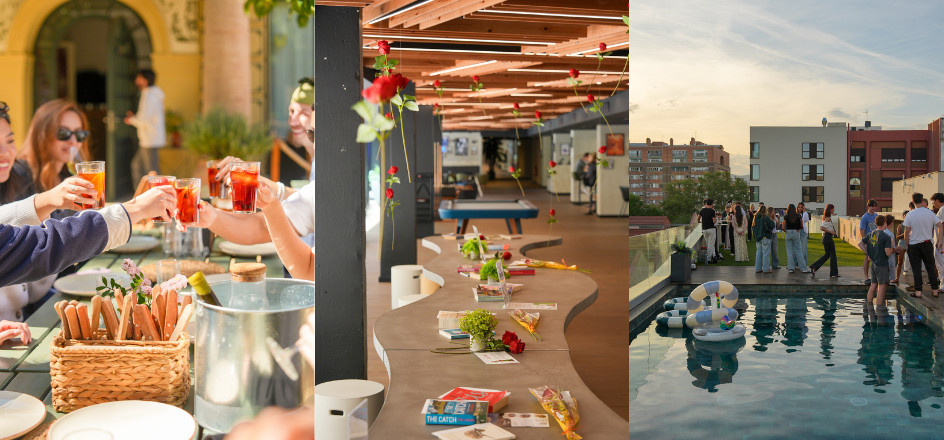
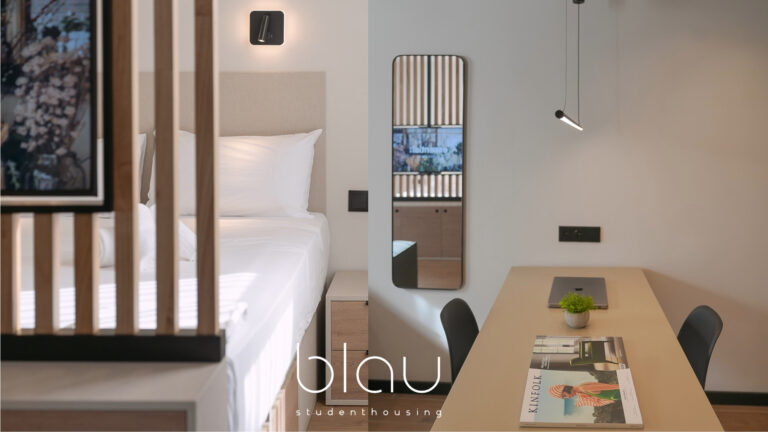
At Blau Student Housing, residents have the flexibility to work from comfortable private studios or enjoy shared community spaces designed for relaxation and social interaction. With fully private studios, private bathrooms, and personal kitchens, residents have the independence to create their own routines while still being part of a supportive community.

Having predictable monthly costs—including utilities and high-speed internet—also removes the stress of unexpected expenses, making it easier for students and professionals to focus on their goals while living abroad.


Why Your Living Environment Matters for Productivity

When moving to a new city, productivity isn’t only about finding good cafés. It’s also about having a stable and comfortable place to return to.

A well-designed living environment can improve:

  • Focus and productivity

  • Mental well-being

  • Daily routine

  • Social connections

At Blau Student Housing, residents benefit from features that support both work and relaxation, including wellness facilities like a gym and swimming pool, as well as welcoming community areas where people naturally connect.

For international students, expats, and digital nomads, this kind of environment can make the transition to Barcelona far smoother. It provides a sense of security, independence, and belonging while exploring the city.

Parents of international students also value the managed and secure environment, knowing their children are living in a safe and supportive setting.

Tips for Working from Cafés in Barcelona

If you plan to spend time working in cafés, these simple tips will help you enjoy the experience while respecting local culture:

Avoid peak lunch hours
Many cafés get busy around midday.

Order something regularly
Buying coffee or food every couple of hours is good etiquette.

Bring headphones
Some cafés have lively atmospheres.

Explore different neighborhoods
Barcelona has incredible cafés in nearly every district.

This approach allows you to enjoy the city while maintaining productivity.

To summarize

Barcelona has a unique way of blending productivity with lifestyle. A morning work session can easily be followed by a walk through a historic neighborhood or a coffee break in a sunny plaza.

Finding the right cafés can make your routine more enjoyable, but the real key to thriving in the city is having a stable and comfortable home base. When your living environment supports both focus and well-being, everything else—from studying to exploring the city—becomes easier.

For international students, expats, and digital nomads, creating that balance is what turns a stay in Barcelona into a truly meaningful experience.

👉 Explore Accommodation in Barcelona
https://blaustudenthousing.com/book-now

How Living in Spain Accelerates Language Learning

Learning a new language in a classroom is helpful, but nothing compares to learning it while living in the country where it’s spoken every day. For students who move abroad, daily life becomes the ultimate language classroom. That’s exactly what happens when you choose to live in Spain.

From ordering un café con leche por favor to chatting with classmates, every interaction helps build confidence and improve communication skills. Students who relocate to vibrant cities like Barcelona quickly discover that language learning becomes natural, practical, and far more effective.

Here’s why living in Spain dramatically accelerates language learning.

Total Language Immersion Every Day

When you live in Spain, the language surrounds you everywhere. Street signs, restaurant menus, conversations on public transport, and everyday interactions are all in Spanish.

This constant exposure trains your brain to recognize patterns, vocabulary, and pronunciation much faster than studying only a few hours per week.

Instead of memorizing phrases for exams, you learn because you need to use the language in real situations. Whether you’re asking for directions or speaking with neighbors, your progress becomes part of daily life.

Real Conversations Build Confidence

One of the biggest barriers to learning a language is fear of speaking. Living abroad removes that barrier quickly.

Students living in Spain practice Spanish in authentic conversations:

  • Talking with local shop owners

  • Ordering food at cafés

  • Asking questions in class

  • Meeting new friends

At first, conversations might feel challenging. But over time, these daily interactions build confidence and fluency much faster than traditional classroom learning.

Cultural Immersion Strengthens Understanding

Language and culture are deeply connected. When students live in Spain, they don’t just learn words—they learn the meaning behind them.

Experiencing Spanish traditions, festivals, and everyday routines helps students understand expressions, humor, and communication styles that textbooks rarely explain.

Cities like Barcelona offer a rich cultural environment where students can experience local life through food, music, and social activities. This cultural immersion makes language learning more meaningful and memorable.

Practice Happens Naturally

In Spain, language practice happens without planning it. A simple day might include:

  • Reading signs in the metro

  • Listening to conversations on the street

  • Speaking with classmates from Spain

  • Watching Spanish TV or films

Each moment adds small improvements. Over weeks and months, these experiences compound and create rapid progress.

This kind of natural practice simply can’t be replicated in a traditional classroom environment.

Meeting Local and International Friends

Student life in Spain brings together people from all over the world. Many students speak Spanish as a second language, which creates a relaxed environment for practice.

Living in student housing or shared apartments often leads to friendships where Spanish becomes the common language.

These social connections encourage students to practice regularly while building lasting friendships along the way.

Learning Beyond the Classroom

Formal classes still play an important role in language learning. However, living in Spain reinforces what students learn in class every single day.

Grammar lessons become easier to understand because students hear those structures used in real conversations. Vocabulary becomes easier to remember because it’s connected to real experiences.

For example, learning transportation vocabulary makes more sense when navigating the metro system in Barcelona. Ordering food becomes a practical language exercise rather than just a classroom dialogue.

Faster Progress Through Daily Exposure

Students who live abroad often notice dramatic improvements in their language skills within just a few months.

That’s because immersion accelerates every aspect of language learning:

  • Listening skills improve through constant exposure

  • Vocabulary grows through real-life experiences

  • Pronunciation improves through regular conversation

  • Confidence develops through daily practice

Instead of learning Spanish slowly over years, many students reach conversational fluency much faster when living in Spain.

Why Spain Is One of the Best Places to Learn Spanish

Spain offers an ideal environment for language learners. The country combines world-class universities, welcoming communities, and an active social culture that encourages conversation.

Cities like Barcelona are especially popular with international students because they offer:

  • A diverse international community

  • Excellent universities and language schools

  • Cultural experiences year-round

  • A vibrant social atmosphere

All these factors create the perfect environment for practicing Spanish every day.

Final Thoughts

Learning a language takes time, effort, and consistent practice. But living in Spain transforms the process into a natural part of everyday life.

Instead of studying Spanish only in textbooks, students experience the language through real conversations, cultural experiences, and daily interactions. This immersive environment accelerates learning in ways that traditional classrooms simply cannot match.

For students looking to truly master Spanish, living in Spain offers one of the most effective and rewarding paths to fluency.

Public Transport in Barcelona: Complete Beginner Guide

If you’re new to Barcelona, one of the first things you’ll notice is how easy it is to get around. The city has one of the most reliable public transport networks in Europe, connecting neighborhoods, universities, beaches, and the airport with speed and efficiency.

Whether you’re a student, an international resident, or just settling in, understanding the system early will make daily life much easier.

Here’s everything you need to know.

Metro

Operated by Transports Metropolitans de Barcelona (TMB), the system runs through most major neighborhoods and connects key university areas.

There are 12 metro lines, each identified by a color and number.

Blau Student Housing is near Metro L2 (Purple Line) Bac de Roda around ~10-12 min walk.

Metro L4 Poblenou/Selva de Mar (Yellow Line) around ~15 min walk

Metro L1 Glòries (Red Line) around ~18 min walk.

Why we love the metro

  • Fast and reliable

  • Frequent trains (every 2–5 minutes during peak hours)

  • Clear signage in Spanish, Catalan, and English

  • Easy connections across the city

The metro runs roughly:

  • Monday–Thursday: 5:00 AM – midnight

  • Friday: until 2:00 AM

  • Saturday: runs all night

  • Sunday: until midnight

Stations are well distributed across the city, making it easy to reach places like Sagrada Família, the beach, or university campuses.

Buses: Reaching Every Corner

While the metro covers major routes, buses fill the gaps. Barcelona’s bus network is extensive and modern, with digital screens showing arrival times at most stops.

Buses are especially useful for:

  • Short neighborhood trips

  • Late-night transport when metro lines close (look for Nit Bus/Night Bus in catalan)

  • Routes to hills and residential areas

Many students rely on buses to reach campuses that are slightly outside the central metro grid.

Blau Student Housing’s nearest bus stop is Gran Via Bac de Roda (H12) or (V27) Espronceda – Marroc.

Trams

Barcelona has two modern tram systems: Trambaix and Trambesòs.

They connect areas slightly outside the city center and are particularly useful if you study near the outskirts or commute daily.

Trams are known for:

  • Quiet rides

  • Accessibility

  • Reliable schedules

They integrate with the rest of the transport network, so the same ticket works across metro, bus, and tram.

Blau is nearest to Espronceda Tram Stop.

Trains (Rodalies)

Regional trains are run by Renfe through the Rodalies network.

These trains connect Barcelona with surrounding cities and towns, making them ideal for:

  • Students living outside the city center

  • Weekend trips around Catalonia

  • Airport connections

The main hub stations include:

  • Barcelona Sants Station

  • Plaça de Catalunya

  • Arc de Triomf

Transport Tickets Explained

Barcelona uses an integrated ticket system, meaning one ticket works across multiple transport types.

The system is managed by Autoritat del Transport Metropolità.

Most common tickets

T-Casual

  • 10 single journeys

  • Can be used across metro, bus, tram, and train

  • Ideal for occasional travel

T-Usual

  • Unlimited travel for 30 days

  • Best value for students and daily commuters

T-Jove

  • Discounted unlimited pass for people under 30

  • Valid for three months

Most students quickly switch to a monthly unlimited pass—it saves money and removes the stress of counting trips.

Apps That Make Transport Easier

To navigate the network efficiently, these tools help a lot:

  • Official TMB App for routes and real-time arrivals

  • Google Maps for transit directions

They’ll show you the fastest combination of metro, bus, and walking routes.

Alternative Ways to Move Around

Barcelona is also a bike-friendly city.

Many residents use Bicing, the city’s public bike-sharing system operated by Bicing (although you’d need a NIE number).

Cycling works well for:

  • Short daily commutes

  • Beach routes

  • Exploring neighborhoods

Electric scooters and shared bikes are also widely available.

Tips for New Students

Before relying fully on the system, keep these practical tips in mind:

  • Always validate your ticket when entering transport.

  • Keep your bag close in crowded stations.

  • Download a transport app during your first week in the city.

Within a few days, navigating Barcelona will feel natural.

3 Best Neighborhoods in Barcelona for Students

3 Best Neighborhoods in Barcelona for Students

1. Eixample – Central, Connected & Classic

One of the most popular choices for students — and for good reason.

  • Excellent public transport links across the city.

  • Tons of cafés, study spots, shops, and services.

  • Close to major universities and libraries.

  • A balance of lively streets and quieter residential areas.
    It’s not the cheapest, but the convenience and lifestyle often make it worth the investment.

Best for: Students who want a central base with everything within reach.

2. Gràcia – Bohemian, Community-Focused & Chill

Gràcia feels like a small town inside the city.

  • Narrow streets, plazas full of cafés, and local markets.

  • Big on culture and community life.

  • Connected by metro and bus, yet still relaxed.

  • A favorite with international students who want character and community.

Best for: Those who value culture, vibes, and social life.

3. Poblenou – Modern, Beach-Adjacent & Creative

If you want a balance between city life and the Mediterranean:

  • Close to the beach and green areas.

  • Creative and innovative scene with cafés and markets.

  • Slightly quieter than central districts, but still well-connected.

  • Good mix of apartments and student flats.

Best for: Students who want space, sun, and a laid-back feel.

Quick Tips Before You Choose

Transport matters. Barcelona’s metro and bus system is excellent — living near a metro stop saves hours of your life.
Prices vary a lot. Central areas are pricier; going one or two stops out can drastically cut costs.
Avoid major tourist traps like El Raval and the Gothic Quarter for long-term living — they’re lively but often noisy and crowded with tourists.
Think lifestyle. Beach vibes ≠ study vibes — pick an area that matches the balance you want between academics and social life.

Summary

  • Best overall for students: Eixample

  • Best for culture & community: Gràcia

  • Best for beach life & space: Poblenou

  • Best budget alternatives: Poble-sec, Sant Antoni, Sant Andreu

How to Find a Flat in Barcelona: What You Need to Know Before You Start Searching


BLAU LOBBY

How to Find a Flat in Barcelona: A Practical Guide for International Students and Expats

Finding a flat in Barcelona can feel overwhelming, especially if you’re new to the city or moving from abroad. The rental market is competitive, prices vary significantly by neighborhood, and the process often works differently from what many people expect. Understanding how the system works — and what to watch out for — can save you time, money, and unnecessary stress.

This guide explains the key steps, realistic expectations, and practical tips to help you find accommodation in Barcelona more efficiently.

Understand the Barcelona Rental Market First

Barcelona has a high demand for housing, particularly in central and coastal areas. Apartments are often rented quickly, and many landlords prefer tenants who can demonstrate financial stability or provide documentation.

There are generally three main types of housing options:

  • Private apartments (entire flat)
  • Shared apartments (room rentals)
  • Student residences or serviced accommodation

Private flats offer more independence but usually require longer contracts and higher upfront costs. Shared apartments are more flexible but involve living with roommates you may not know. Residences or managed accommodations tend to be more straightforward for international arrivals because services and contracts are clearer.

Best Websites to Search for Flats

Most people start their search online. The most commonly used platforms in Barcelona include:

  • Idealista
  • Fotocasa
  • Badi (for room rentals)
  • Spotahome (mid-term rentals)
  • HousingAnywhere

It’s important to act quickly when you find a good option. Many listings receive multiple inquiries within hours.

Documents You May Need

Landlords and agencies often ask for documentation before approving a tenant. Common requirements include:

  • Passport or ID
  • Proof of income or employment contract
  • Bank statements
  • Student enrollment confirmation (if applicable)
  • Spanish guarantor (sometimes required)

If you are moving from another country, this can be one of the biggest challenges because you may not yet have local financial records.

Upfront Costs to Expect

The initial cost of renting a flat in Barcelona is higher than many newcomers expect. Typical upfront expenses include:

  • First month’s rent
  • Security deposit (usually 1–2 months)
  • Agency fee (sometimes 1 month + VAT)
  • Administrative costs

This means you may need 3–4 months of rent available at the beginning.

Choosing the Right Neighborhood

Barcelona neighborhoods vary widely in atmosphere and price. Some popular areas include:

  • Eixample — central, well-connected, elegant buildings
  • Gràcia — local lifestyle, charming streets
  • Poblenou — modern, close to the beach, international community
  • El Born / Gothic — historic but often more expensive
  • Sant Martí — residential with good transport links

Your choice should depend on your priorities: budget, proximity to work or university, lifestyle preferences, and transport access.

Avoiding Scams

Rental scams exist, particularly targeting international newcomers. Warning signs include:

  • Requests for payment before viewing
  • Prices that seem unusually low
  • Landlords refusing video calls or visits
  • Pressure to transfer money quickly

Always verify the property and the person renting it before sending any funds.

Consider Alternative Options When Arriving

Many people underestimate how difficult it can be to secure a long-term flat before arriving in Barcelona. A practical strategy is to book temporary accommodation first, then search locally once you are in the city.

This approach allows you to:

  • Visit apartments in person
  • Understand neighborhoods better
  • Avoid scams
  • Reduce pressure to commit quickly

For students, digital nomads, or professionals staying several weeks or months, managed accommodation or student residences can provide a smoother start, with fewer administrative barriers and more flexibility.

Final Thoughts

Finding a flat in Barcelona is absolutely possible, but it requires preparation, realistic expectations, and time. Understanding the cost structure and giving yourself enough flexibility is essential. For international arrivals in particular, signing a long-term lease before arriving in the city can be risky. Many people find it much easier to secure accommodation after they are already in Barcelona and can visit properties in person.

If you are planning to stay for a few weeks or months, starting with a flexible short- or mid-term housing option is often the most practical approach. It reduces administrative barriers, avoids large upfront commitments, and gives you time to understand the city before making long-term decisions.

Blau Student Housing offers private studio accommodation designed for people who are coming to Barcelona to study, work remotely, or experience life in the city. All studios include a private bathroom and kitchen, along with access to shared community spaces and facilities, providing a comfortable and stable environment during your first period in Barcelona.

If you are looking for a place to stay while settling into the city, starting with a reliable accommodation option before committing to a long-term rental can be a smart strategy.

👉 Explore Private Studios in Barcelona :

https://blaustudenthousing.com/book-now

Moving to Spain: What You Need to Know Before Starting Your Life in Barcelona

Moving to Spain isn’t just a change of address. It’s a shift in pace, culture, and perspective. Every year, we welcome students who arrive with two suitcases, a head full of expectations, and a mix of excitement and nerves. If you’re preparing for this step, here’s what you should really know.

Spain Is Not Just a Destination — It’s a Lifestyle

You’ve probably imagined sunny afternoons, siestas, café terraces, and late dinners. That part is true. But Spain is also about community, routine, and learning to slow down without losing ambition.

In cities like Barcelona, Madrid, or Valencia, student life blends tradition and modern energy. Universities are demanding. Deadlines matter. But so does sharing a meal at 10 p.m. and taking a walk after class just because the weather is too good to ignore.

The First Weeks: Expect Adjustment

Let’s be honest. The honeymoon phase is real, but so is culture shock.

  • Bureaucracy takes patience.

  • Things don’t always run “on time” the way you might expect.

  • You’ll hear multiple languages — Spanish, Catalan, regional dialects.

It’s normal to feel overwhelmed at first. The key is consistency. Establish your routine early. Learn the transport system. Find your local grocery store. Introduce yourself to your neighbors. Stability comes from small habits.

But hey, in Blau, you have Free Spanish/Catalan Classes.

Why Your Housing Choice Matters More Than You Think

Where you live will shape your entire experience.

Student housing isn’t just about having a bed and Wi-Fi. It’s where friendships start. It’s where you celebrate passing exams. It’s where someone knocks on your door and says, “We’re going out tonight, are you coming?”

Living in a dedicated student residence gives you structure:

  • A built-in community

  • Organized activities

  • Study-friendly spaces

  • Support when something goes wrong

Especially in your first year, that support system makes a difference. Independence is important, but so is having people around you who understand exactly what you’re going through.

Academic Culture in Spain

Spanish universities value critical thinking and participation. Professors expect engagement. Attendance often counts. Group projects are common.

If you’re coming through programs like Erasmus Programme, be prepared for a diverse classroom. You won’t just meet Spaniards — you’ll meet people from all over Europe and beyond. That diversity becomes one of the strongest parts of your experience.

Daily Life: What Surprises Students Most

  1. Meal times are late. Lunch around 2 p.m., dinner rarely before 9 p.m.

  2. Social life is outdoors. Plazas and terraces are central to community life.

  3. Public transport works well. In Spain, everything is connected. You don’t need a car in major cities.

  4. Weekends are sacred. Spaniards work hard, but they protect their downtime.

Adapting to these rhythms takes effort, but once you do, it feels natural.

Building Your Circle

The students who thrive are the ones who participate.

Join events. Say yes to invitations. Practice Spanish, even if it feels uncomfortable. Growth rarely happens in isolation.

From our perspective as student housing providers, the residents who make the most of their time here are not necessarily the most outgoing — they’re the most open.

A Word on Independence

Moving abroad forces you to mature. You’ll manage your budget, cook your meals, schedule your study time, and solve problems without calling home every five minutes.

That responsibility is a gift. Spain will give you sun, culture, and memories — but the discipline you build here will shape your future.

When do you

want to stay

Short Stays
Stay up to
6 months
Long Stays
Stay more than
6+months