

Moving to Spain isn’t just a change of address. It’s a shift in pace, culture, and perspective. Every year, we welcome students who arrive with two suitcases, a head full of expectations, and a mix of excitement and nerves. If you’re preparing for this step, here’s what you should really know.
Spain Is Not Just a Destination — It’s a Lifestyle
You’ve probably imagined sunny afternoons, siestas, café terraces, and late dinners. That part is true. But Spain is also about community, routine, and learning to slow down without losing ambition.
In cities like Barcelona, Madrid, or Valencia, student life blends tradition and modern energy. Universities are demanding. Deadlines matter. But so does sharing a meal at 10 p.m. and taking a walk after class just because the weather is too good to ignore.
The First Weeks: Expect Adjustment
Let’s be honest. The honeymoon phase is real, but so is culture shock.
-
Bureaucracy takes patience.
-
Things don’t always run “on time” the way you might expect.
-
You’ll hear multiple languages — Spanish, Catalan, regional dialects.
It’s normal to feel overwhelmed at first. The key is consistency. Establish your routine early. Learn the transport system. Find your local grocery store. Introduce yourself to your neighbors. Stability comes from small habits.
But hey, in Blau, you have Free Spanish/Catalan Classes.
Why Your Housing Choice Matters More Than You Think
Where you live will shape your entire experience.
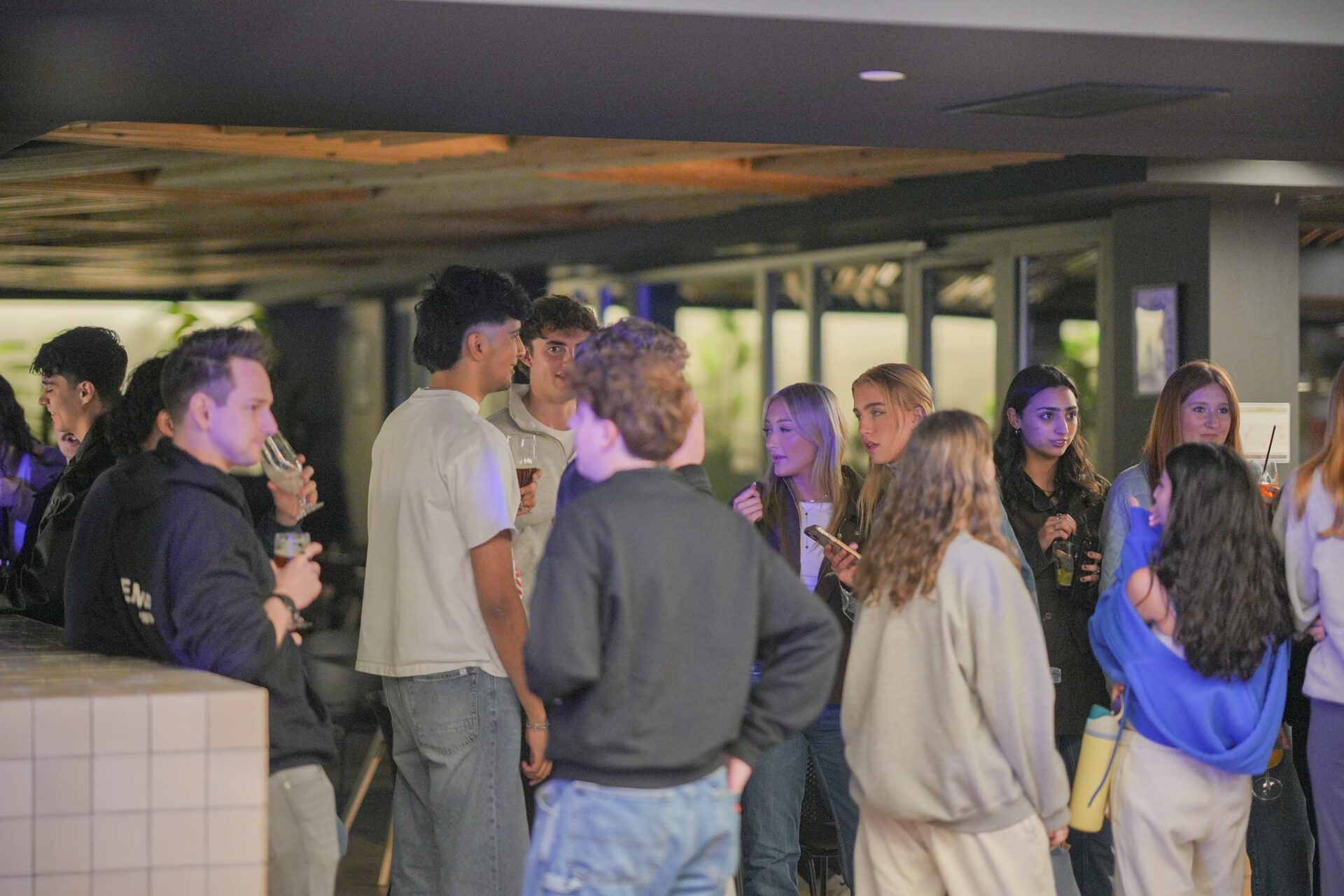
Student housing isn’t just about having a bed and Wi-Fi. It’s where friendships start. It’s where you celebrate passing exams. It’s where someone knocks on your door and says, “We’re going out tonight, are you coming?”
Living in a dedicated student residence gives you structure:
-
A built-in community
-
Organized activities
-
Study-friendly spaces
-
Support when something goes wrong
Especially in your first year, that support system makes a difference. Independence is important, but so is having people around you who understand exactly what you’re going through.
Academic Culture in Spain
Spanish universities value critical thinking and participation. Professors expect engagement. Attendance often counts. Group projects are common.
If you’re coming through programs like Erasmus Programme, be prepared for a diverse classroom. You won’t just meet Spaniards — you’ll meet people from all over Europe and beyond. That diversity becomes one of the strongest parts of your experience.
Daily Life: What Surprises Students Most
-
Meal times are late. Lunch around 2 p.m., dinner rarely before 9 p.m.
-
Social life is outdoors. Plazas and terraces are central to community life.
-
Public transport works well. In Spain, everything is connected. You don’t need a car in major cities.
-
Weekends are sacred. Spaniards work hard, but they protect their downtime.
Adapting to these rhythms takes effort, but once you do, it feels natural.
Building Your Circle
The students who thrive are the ones who participate.
Join events. Say yes to invitations. Practice Spanish, even if it feels uncomfortable. Growth rarely happens in isolation.
From our perspective as student housing providers, the residents who make the most of their time here are not necessarily the most outgoing — they’re the most open.
A Word on Independence
Moving abroad forces you to mature. You’ll manage your budget, cook your meals, schedule your study time, and solve problems without calling home every five minutes.
That responsibility is a gift. Spain will give you sun, culture, and memories — but the discipline you build here will shape your future.
