9 Best Ways to Learn Spanish While Living Abroad

Best Way to Learn Spanish While Living Abroad: A Practical Guide to Faster Progress
Learning Spanish while living abroad is one of the most effective ways to build real communication skills. Being surrounded by the language every day naturally increases exposure, motivation, and opportunities to practice. However, many learners quickly realize that simply living in a Spanish-speaking country does not automatically lead to fluency.

So what is the best way to learn Spanish while living abroad?

The answer lies in combining structure with immersion. This guide explains how to maximize your progress, avoid common mistakes, and learn Spanish faster while living in cities like Barcelona.

1. Why Living Abroad Accelerates Spanish Learning

When you move to a Spanish-speaking environment, your brain receives constant input:

  • Conversations in cafés and shops
  • Signs, menus, and daily interactions
  • Social situations with locals and other international residents
  • Cultural exposure and real-life context

This continuous exposure helps your brain adapt more quickly than classroom learning alone. However, exposure without structure often leads to slow or inconsistent progress.

The most successful learners combine formal lessons + daily real-world practice.

2. The Most Effective Strategy: Structure + Real Life Practice

Research and experience show that the fastest improvement happens when you combine:

  1. Structured Spanish classes with professional teachers
  2. Daily exposure outside the classroom
  3. Speaking practice with real people
  4. Social interaction and community engagement

This combination transforms passive knowledge into active communication ability.

Without structure, learners often understand Spanish but struggle to speak confidently. Without real-life exposure, classroom learning feels artificial.

You need both.

3. Common Mistakes When Learning Spanish Abroad

Many people assume living abroad is enough. In reality, several factors can slow progress.

Staying in an English-Speaking Bubble

International environments often default to English. If you don’t actively practice Spanish, progress slows dramatically.

Focusing Only on Apps or Self-Study

Apps are useful for vocabulary, but they cannot replace conversation and feedback from teachers.

Fear of Making Mistakes

Confidence grows through use, not perfection. Mistakes are part of learning.

Lack of Consistency

Short, daily exposure is more effective than occasional long study sessions.

4. How Long Does It Take to Learn Spanish While Living Abroad?

Your timeline depends on intensity and consistency, but many learners achieve meaningful progress faster than expected.

A realistic timeline:

  • 1–2 weeks: basic confidence and essential phrases
  • 1 month: practical daily communication
  • 2–3 months: conversational independence
  • 3–6 months: strong communication ability

Living abroad significantly accelerates progress compared to learning at home.

5. Why Community Matters for Language Learning

Language is social. The more you interact with people, the faster you improve.

Joining activities, events, or community spaces helps you:

  • Practice naturally
  • Build friendships
  • Increase motivation
  • Reduce speaking anxiety

Many learners discover that social interaction is the biggest turning point in their confidence.

6. Learning Spanish in Barcelona: A Unique Environment

Barcelona is one of the best cities in Europe to learn Spanish while living abroad.

It offers:

  • An international community
  • Cultural experiences and events
  • Opportunities to practice daily
  • A lifestyle that encourages interaction

For students, professionals, and digital nomads, the combination of learning and lifestyle makes progress more natural and enjoyable.

7. Combining Spanish Lessons and Accommodation

One of the most efficient approaches is to combine language classes with accommodation in the same environment.

This creates:

  • Immediate practice opportunities
  • Reduced logistical stress
  • More exposure hours
  • A supportive learning atmosphere

Instead of separating study and living, the experience becomes integrated.

8. Learning Spanish with Blau Language Academy

Blau Language Academy offers Spanish programs designed specifically for people living in Barcelona for short or mid-term stays, typically from one week to several months.

Students benefit from:

  • Small group Spanish lessons
  • Flexible schedules adapted to different lifestyles
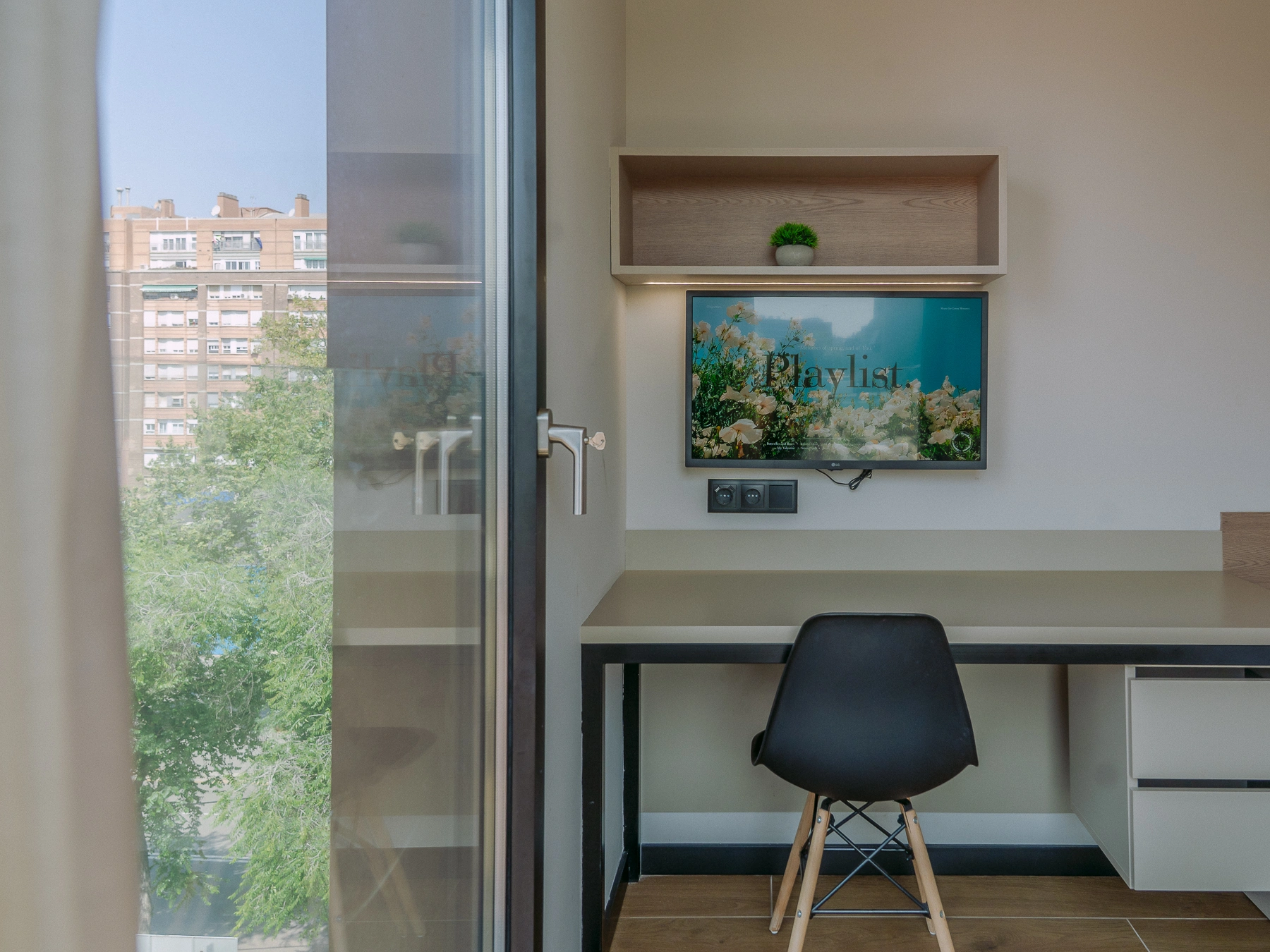
  • Accommodation options in private studios
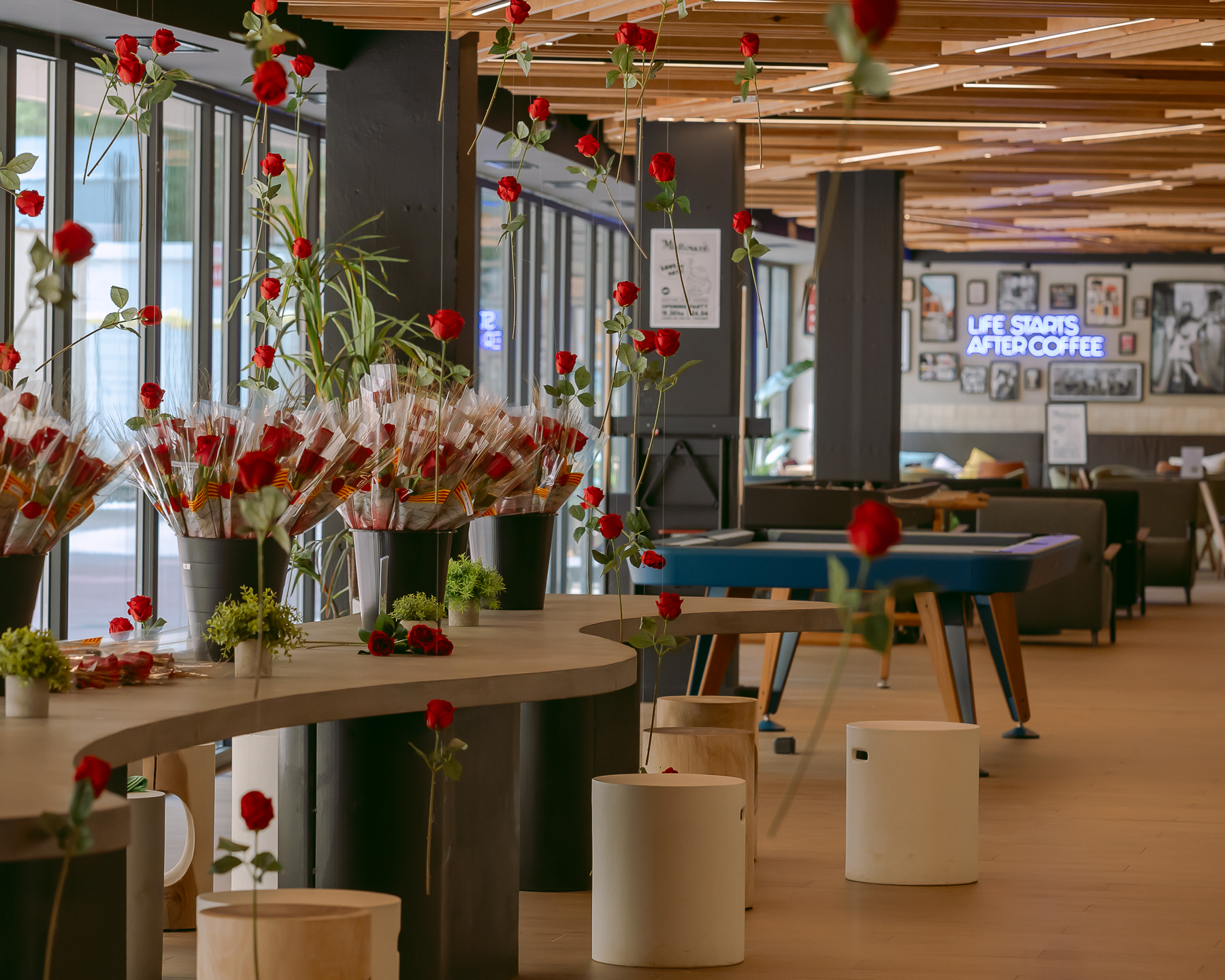
  • Community activities and social experiences
  • Daily opportunities to practice Spanish in real situations

This integrated approach helps learners progress faster while enjoying their time abroad.

9. Final Thoughts: The Best Way to Learn Spanish Abroad

The best way to learn Spanish while living abroad is not complicated — but it does require the right environment.

Combine:

  • Structured lessons
  • Daily exposure
  • Social interaction
  • Consistent practice

When these elements come together, Spanish becomes part of your daily life rather than just a subject you study.

And that’s when real progress happens.

CHECK BLAU LANGUAGE ACADEMY COURSE DETAILS AND PRICE [HERE] 
How Long Does It Take to Learn Spanish? What You Can Actually Achieve in 1 Week to 6 Months

BLAU SANT JORDI Barcelona language academy

How Long Does It Take to Learn Spanish? What You Can Actually Achieve in 1 Week to 6 Months

If you’re planning to learn Spanish, one of the first questions you probably have is: how long does it actually take to learn Spanish?

The answer depends on your goals, your study intensity, and — most importantly — your environment. While some people imagine that fluency takes years, the reality is that meaningful progress can happen much faster, especially when you combine structured lessons with real-life practice.

This guide explains a realistic Spanish learning timeline, with a special focus on what you can achieve in short-term programs from 1 week to 6 months.


What Does “Learning Spanish” Mean for Most People?

Not everyone needs native-level fluency.

Most learners want to:

  • Communicate while traveling
  • Feel confident in daily situations
  • Connect with locals
  • Navigate life in Spain independently

The good news is that functional communication happens much sooner than most people expect.

Spanish Learning Timeline: What You Can Achieve

Here is a realistic progression based on consistent learning and immersion.

1 Week — Foundations and Confidence Boost

In just one week, you won’t become fluent, but you can:

  • Learn essential survival phrases
  • Practice pronunciation
  • Understand basic conversations
  • Gain confidence speaking

Many learners say the biggest change after one week is reduced fear of speaking.

This is especially true when lessons are combined with real-life exposure in a Spanish-speaking city.

2–4 Weeks — Practical Daily Communication

This is the most common learning period for short-term students.

Within one month, many learners can:

  • Order food and interact in cafés
  • Ask for directions
  • Handle basic conversations
  • Talk about routines and plans
  • Understand slow spoken Spanish

You are still a beginner, but you become functional and independent in many everyday situations.

This stage often corresponds to A1–A2 level.

1–3 Months — Conversational Independence

With consistent study and immersion, learners typically reach early intermediate ability.

You can:

  • Maintain simple conversations
  • Describe experiences and opinions
  • Understand common social interactions
  • Travel comfortably in Spain

At this stage, Spanish becomes genuinely useful in real life.

Many people underestimate how much progress is possible in three months when learning in Spain.

3–6 Months — Strong Communication Ability

Six months of immersion and structured learning can lead to solid progress.

You may be able to:

  • Hold longer conversations with locals
  • Understand natural speech better
  • Express ideas with more confidence
  • Participate socially in Spanish environments

This often corresponds to B1 or early B2 level, depending on intensity.

For many learners, this level already feels like fluency.

Why Learning Spanish in Spain Is Faster

One of the biggest factors affecting how long it takes to learn Spanish is immersion.

When you live in Spain:

  • You hear Spanish daily
  • You practice outside class
  • Your brain adapts faster
  • Learning feels natural instead of forced

Cities like Barcelona offer a unique advantage because they combine:

  • International communities
  • Cultural experiences
  • Social interaction opportunities
  • Everyday language exposure

This dramatically increases learning speed compared to studying at home.

The Biggest Factors That Affect Your Progress

Study Intensity

More hours per week = faster progress.

An intensive program can produce results in weeks that might otherwise take months.

Speaking Practice

Confidence grows through conversation, not just grammar study.

Environment

Living in a Spanish-speaking environment multiplies exposure hours automatically.

Consistency

Short daily exposure is more effective than occasional long sessions.

Can You Learn Spanish in One Month?

Yes — with realistic expectations.

In one month, many learners achieve:

  • Basic conversation ability
  • Improved listening comprehension
  • Confidence in real situations
  • Strong learning momentum

The goal is not perfection. The goal is communication.

The Most Effective Way to Learn Spanish Quickly

Research and experience consistently show that the fastest progress comes from combining:

  1. Structured lessons with qualified teachers
  2. Real-life practice in the city
  3. Social interaction with other learners
  4. Daily exposure outside the classroom

Programs that integrate accommodation, classes, and community experiences naturally increase learning time without increasing stress.

Learning Spanish in Barcelona with Blau Language Academy

Blau Language Academy offers Spanish programs designed for learners staying between 1 week and 6 months, combining education and lifestyle in one experience.

Students benefit from:

  • Small group Spanish lessons
  • Flexible schedules
  • Accommodation in private studios
  • Community activities and social events
  • Daily opportunities to practice in Barcelona

This combination helps students progress faster while enjoying life in the city.

Final Thoughts: How Long Does It Really Take?

A realistic timeline looks like this:

  • 1 week: confidence and basic phrases
  • 2–4 weeks: practical daily communication
  • 1–3 months: conversational independence
  • 3–6 months: strong communication ability

Learning Spanish is less about talent and more about exposure, consistency, and environment.

With the right structure, meaningful progress can happen much faster than you think.


>> CHECK BLAU LANGUAGE ACADEMY COURSE DETAILS & PRICE [HERE]

When do you

want to stay

Short Stays
Stay up to
6 months
Long Stays
Stay more than
6+months